
Product Knowledge
12V vs 24V Automotive LED Lights: What Buyers Need to Check
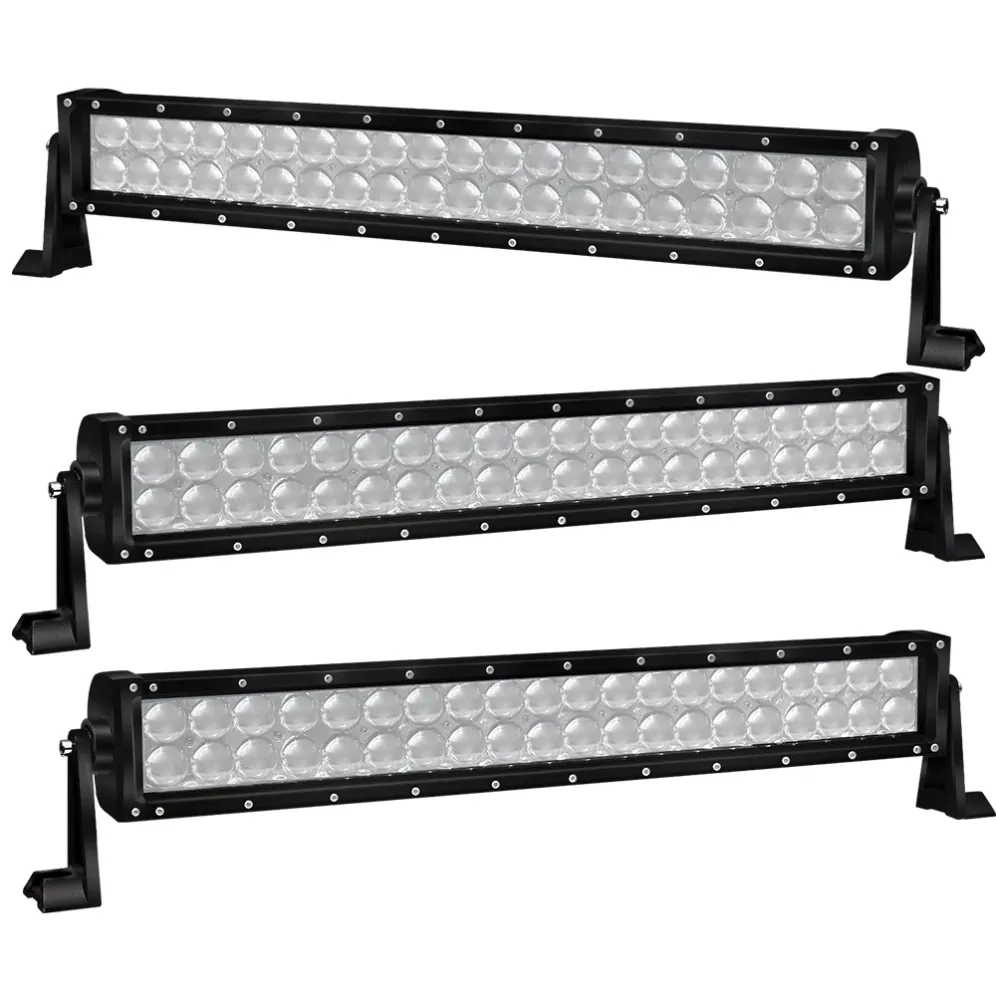
Understand the difference between 12V and 24V vehicle electrical systems and what buyers should confirm before sourcing LED headlights, work lights and auxiliary lights.
Understand the difference between 12V and 24V vehicle electrical systems and what buyers should confirm before sourcing LED headlights, work lights and auxiliary lights.
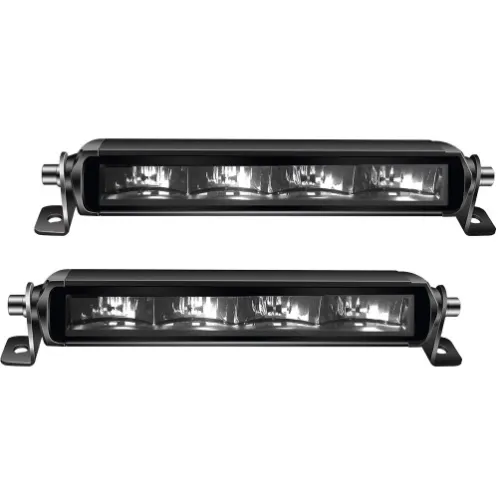
Understand IP68, IP69K and automotive lighting ingress-protection claims and learn what importers should verify before using waterproof ratings in marketing.
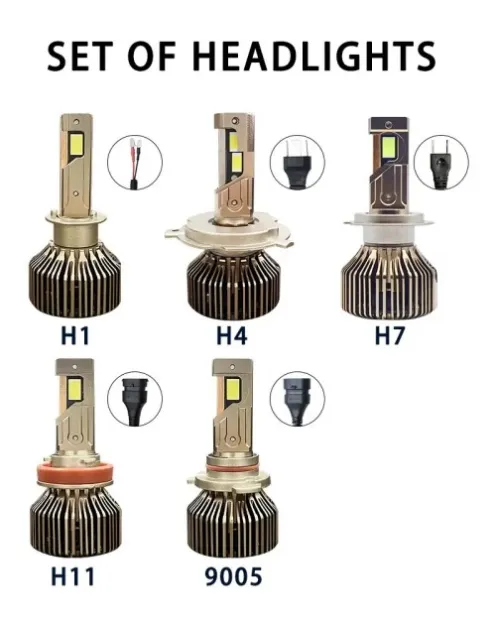
Learn how to read LED headlight specifications including wattage, lumens, chip, voltage, color temperature, driver, cooling and socket options before buying wholesale.
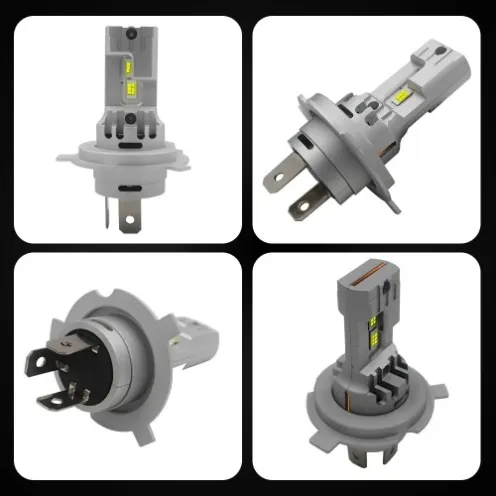
Why do LED headlights flicker after installation? Learn the common causes including vehicle electronics, voltage, wiring, drivers and compatibility issues.
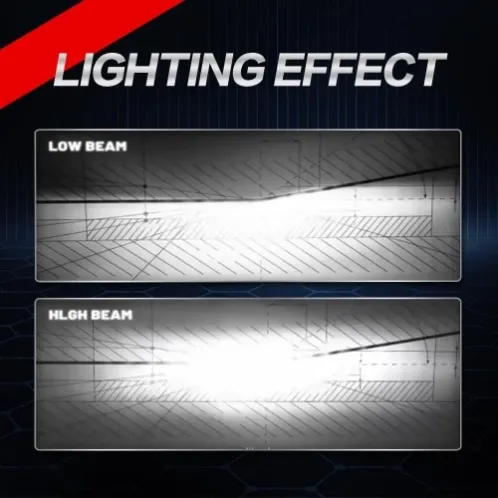
Learn why LED headlight upgrades may trigger bulb-out or dashboard warnings and what distributors and installers should check before assuming the LED bulb is defective.
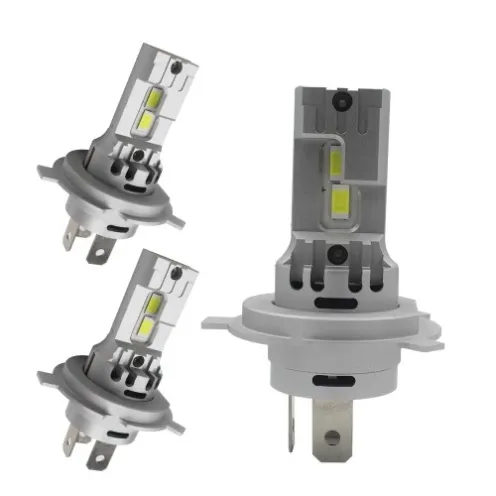
An H7 LED bulb may use the correct socket but still be difficult to install. Learn the common problems involving adapters, clips, dust covers and headlamp space.
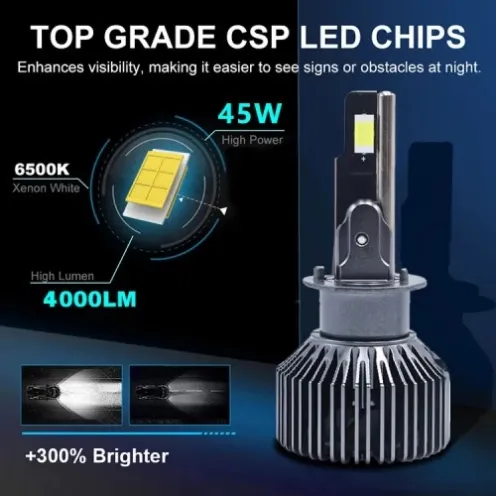
Is LED headlight fan noise normal? Learn why fan-cooled LED bulbs make sound, what unusual noise may indicate and what distributors should inspect.
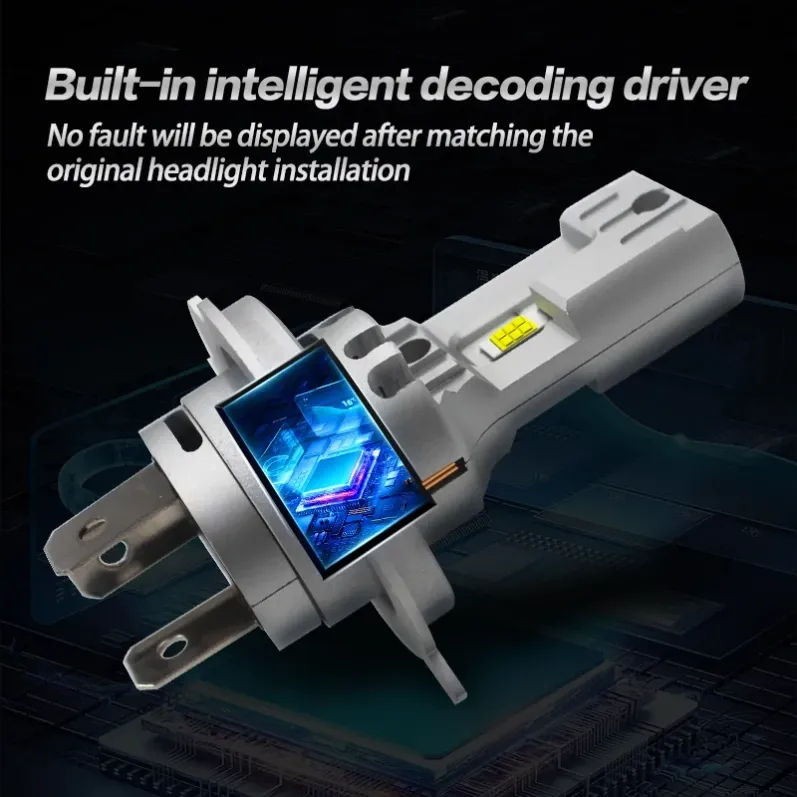
Poor LED headlight beam pattern can result from chip position, bulb orientation, headlamp optics or installation. Learn what distributors and installers should check.
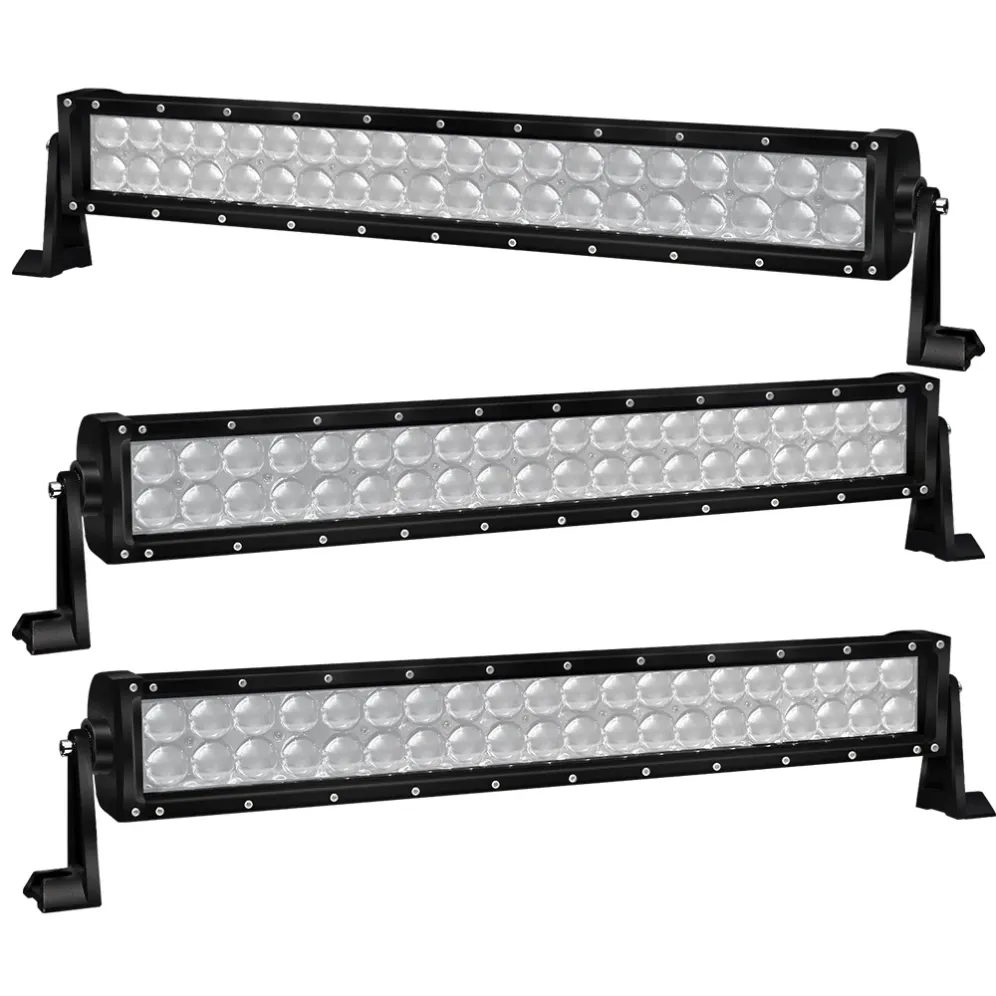
Learn why some LED work lights and light bars can create radio interference and what distributors should check when evaluating EMC, drivers, wiring and product samples.
Compare single-row and double-row LED light bars from a wholesale perspective, including size, appearance, mounting, product positioning and inventory strategy.