
Sep 17, 2026
Why Do LED Work Lights Cause Radio Interference? What Buyers Should Check
Learn why some LED work lights and light bars can create radio interference and what distributors should check when evaluating EMC, drivers, wiring and product samples.
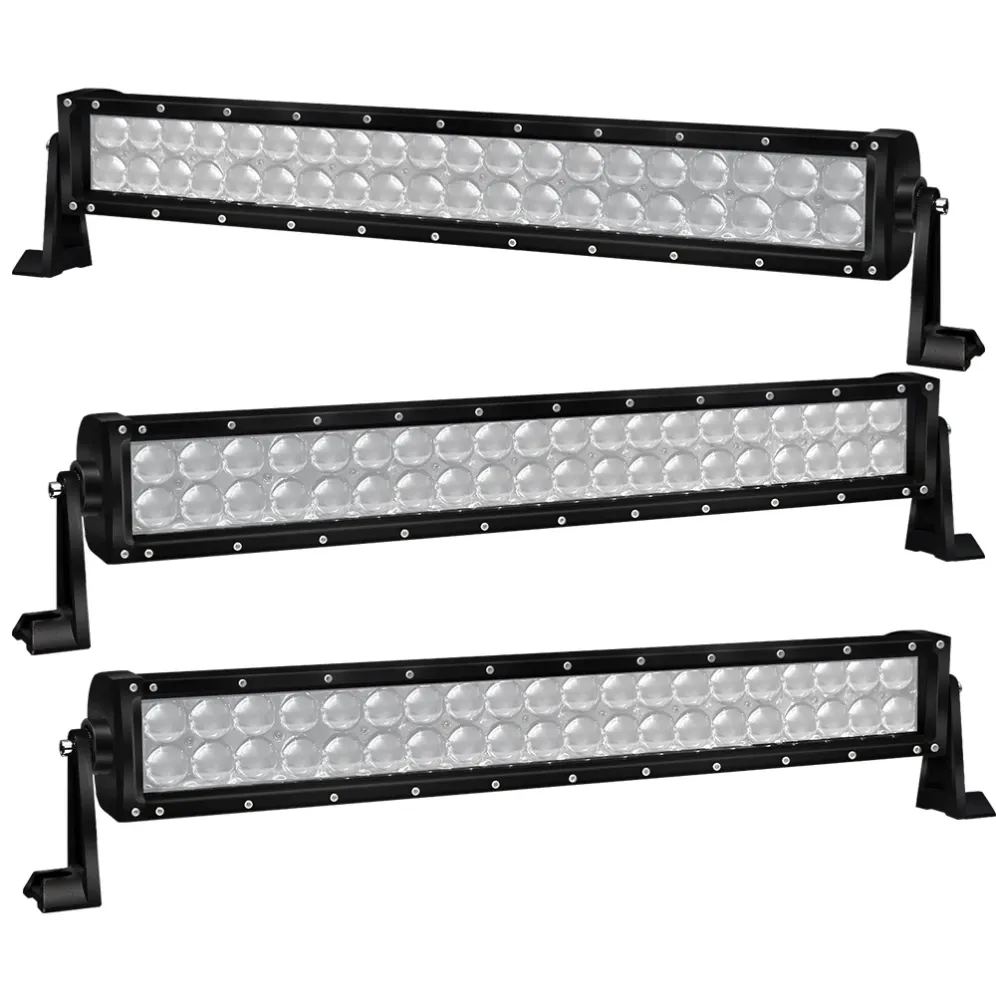
You install an LED work light.
The light works perfectly.
Then the vehicle radio starts producing noise.
Or communication equipment becomes less clear when the lights are switched on.
This is a problem that can appear in some automotive and equipment-lighting installations.
For professional buyers, radio interference should not be treated as a minor technical detail.
It can become a serious customer complaint, especially in:
- trucks
- agricultural machinery
- construction equipment
- off-road vehicles
- vehicles using two-way radio equipment
What Is RFI?
RFI means Radio Frequency Interference.
Electronic devices can generate electromagnetic noise during operation.
LED lighting products contain electronic drivers that regulate power supplied to the LEDs.
Depending on the product design, wiring and installation, electrical noise may interfere with nearby electronic equipment.
What Does EMC Mean?
EMC stands for Electromagnetic Compatibility.
In simple terms, EMC relates to whether electronic equipment can operate without creating unacceptable interference and without being excessively affected by electromagnetic interference around it.
For automotive lighting buyers, EMC should be understood as a system-level consideration.
A product may look mechanically excellent while still creating electrical noise in certain applications.
Why Can LED Lights Create Electrical Noise?
An LED work light does not normally connect the battery directly to the LED chips without electronics.
The driver manages electrical power.
High-frequency electronic switching can generate electromagnetic energy.
Whether this becomes a practical problem depends on factors such as:
- driver design
- PCB layout
- filtering
- wiring
- grounding
- cable routing
- installation
- surrounding electronics
The complete system matters.
Why Commercial Vehicles May Be More Sensitive
Commercial vehicles and machinery can contain multiple electronic systems.
Examples include:
- FM/AM radios
- CB radios
- two-way radios
- GPS equipment
- telematics
- communication equipment
If a work light creates interference, the impact can therefore be more noticeable than in a simple passenger-car application.
How Does the Problem Usually Appear?
Customers may report:
- static on the radio
- weaker radio reception
- buzzing sound
- communication noise
- interference that starts when the LED light is switched on
One useful diagnostic clue is whether the interference disappears when the light is turned off.
That does not automatically prove the lamp itself is the only cause, but it provides a useful starting point.
Wiring Can Influence the Result
The same light may behave differently depending on installation.
Factors can include:
- power cable routing
- grounding
- distance from antenna cables
- connection quality
- wiring harness design
A poor installation can make an existing interference problem more noticeable.
This is why sample evaluation should include real installation where practical.
Do Not Assume "EMC" in a Product Title Is Enough
A supplier may advertise:
EMC Work Light
or:
Anti-Interference LED Light.
Professional buyers should ask what supports that claim.
Useful questions include:
- Was the exact product tested?
- Which version was tested?
- Is supporting documentation available?
- Does the current production version match the tested configuration?
Do not copy EMC claims into your own catalog without verification.
Test the Product in the Real Application
For distributors serving commercial customers, sample testing can be very useful.
Test the light on representative vehicles or equipment.
Check radio or communication performance:
Before the light is switched on.
After the light is switched on.
At different operating conditions where relevant.
Record the result.
Compare Several Samples
One sample is useful.
Several samples are better.
If one unit creates noticeable interference while another does not, there may be a consistency problem.
Wholesale buying depends on repeatability.
Ask Customers Which Electronics Matter
A farmer using a tractor may rely on different electronic equipment from an off-road enthusiast.
A truck fleet may depend heavily on communication devices.
Ask:
What equipment is installed on the vehicle?
This helps determine whether EMC performance is a particularly important purchasing criterion.
Radio Interference Can Become a Return Problem
Imagine a work light looks bright and durable.
The customer installs four units on a truck.
Then the driver says:
I cannot hear the radio when the lights are on.
The product may technically illuminate correctly.
But commercially, the customer still has a problem.
That is why product evaluation should reflect real use, not only light output.
Build EMC Questions Into Your Supplier Scorecard
For important auxiliary-lighting products, consider including:
- electrical stability
- interference feedback
- supporting test information
- repeat-order consistency
inside your supplier evaluation process.
This makes technical performance part of commercial sourcing.
Discuss Work Light Applications with Sunrise Auto Parts
Sunrise Auto Parts supplies LED work lights, light bars and auxiliary lighting products for automotive and equipment aftermarket buyers.
Tell us your target vehicle or equipment application and important technical requirements so we can discuss suitable products for sample evaluation.
Related Resources
Ready to review samples? Request LED Work Light Samples