
Sep 10, 2026
12V vs 24V Automotive LED Lights: What Buyers Need to Check
Understand the difference between 12V and 24V vehicle electrical systems and what buyers should confirm before sourcing LED headlights, work lights and auxiliary lights.
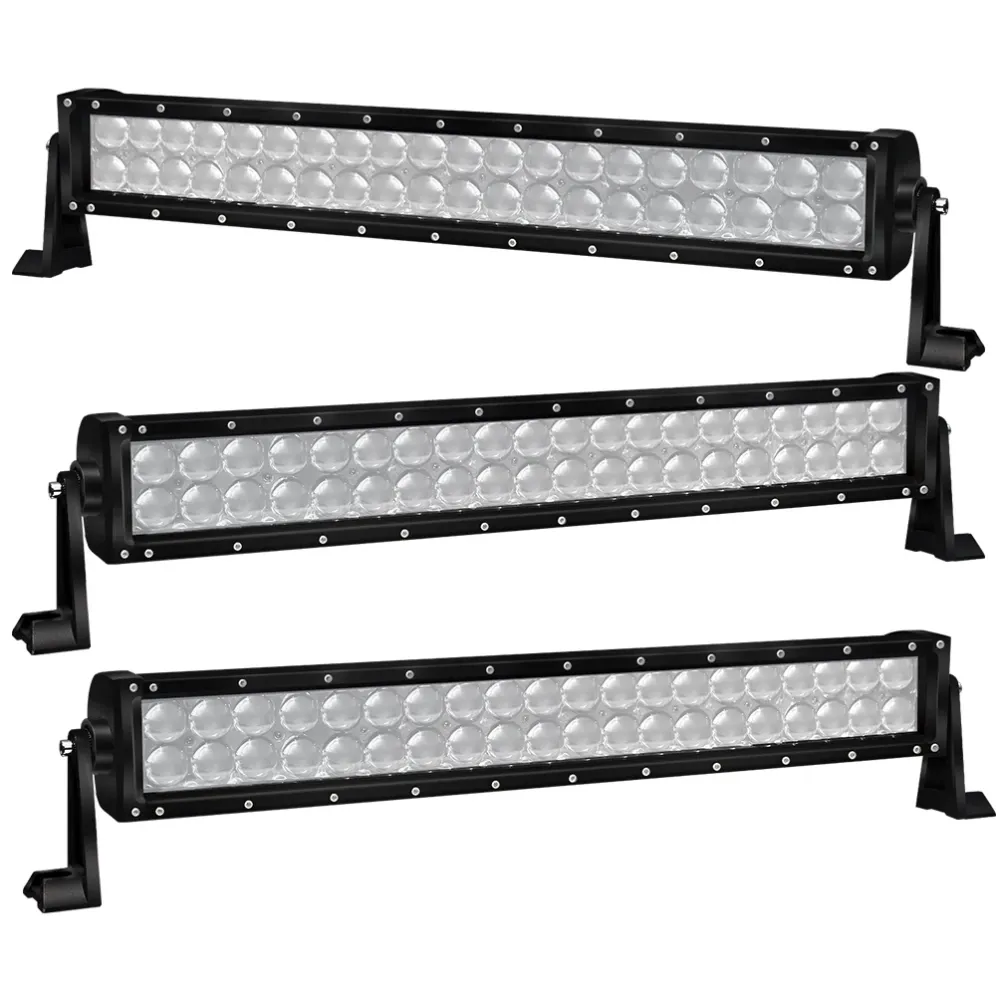
A lighting product looks perfect.
The size is right.
The beam is right.
The price is right.
Then one question appears:
Is it 12V or 24V?
For automotive lighting distributors, voltage compatibility is a basic specification that should never be assumed.
Passenger vehicles and commercial vehicles may use different electrical systems.
The LED product must be designed for the voltage range in which it will operate.
What Is a 12V Vehicle System?
Many passenger vehicles use a nominal 12V electrical system.
This includes large numbers of:
- cars
- SUVs
- pickups
- motorcycles
depending on the vehicle.
The actual operating voltage of a running vehicle is not always exactly 12.0V.
The charging system can raise voltage above the nominal rating.
That is why LED products are often designed around an operating-voltage range rather than a single exact number.
What Is a 24V Vehicle System?
Many heavier commercial vehicles use nominal 24V systems.
Possible applications include:
- trucks
- buses
- heavy equipment
- some commercial vehicles
For distributors selling work lights or auxiliary lighting into commercial markets, 24V support can be very important.
Can the Same LED Light Work on Both?
Sometimes yes.
Sometimes no.
Many automotive LED products use electronic drivers designed to support a broad input range, for example covering both nominal 12V and 24V systems.
Other products are designed for a narrower range.
The buyer should check the verified operating-voltage specification of the exact model.
Do not assume.
Why Voltage Range Matters
Supplying the wrong voltage can create:
- failure to operate
- unstable operation
- shortened component life
- product damage
depending on the product and electrical system.
The driver must be designed for the intended input conditions.
Passenger Car Buyers and Truck Buyers May Need Different Products
A passenger-car headlight distributor may focus mostly on 12V applications.
A truck or equipment distributor may need more 24V-compatible products.
For example:
Passenger Car Lighting
Fog lights
Accessory lights.
Commercial / Heavy Vehicle Lighting
Driving lights
Light bars
Auxiliary lighting.
There can be overlap, but voltage requirements should be confirmed.
Voltage Range Should Be Clearly Listed
Product pages and quotations should show the actual verified operating range.
For example:
DC 9–30V
is different from simply saying:
12V/24V.
The verified range gives the buyer more useful information.
Do not publish a broad range unless it is confirmed for that product.
12V and 24V Are Nominal Systems
A common misunderstanding is assuming a 12V vehicle always supplies exactly 12V.
In reality, operating voltage can change with:
- charging
- engine operation
- battery condition
- electrical load
This is one reason the driver needs appropriate design margin.
Commercial Vehicles Can Create Additional Electrical Challenges
Heavy vehicles may have different:
- electrical environments
- cable lengths
- vibration
- accessory loads
For work-light and auxiliary-light buyers, product evaluation should therefore consider more than nominal voltage.
Check the full application.
Mixed Markets Need Clear Product Identification
A distributor serving both passenger vehicles and trucks should avoid warehouse confusion.
Record:
- operating-voltage range
- intended application
- SKU
- product category
in the Product Master Sheet.
Sales staff should not need to guess.
Do Not Tell Customers Every LED Light Works on Trucks
Even if the connector physically fits, the product still needs appropriate voltage support.
Truck customers may also require:
- different mounting
- different beam types
- different durability expectations
Vehicle type matters.
Sample Testing Is Valuable
For important commercial applications, test products on representative equipment.
Observe:
- startup
- stability
- function
- heat
- wiring
- installation
This is especially useful when the customer will deploy many units across a fleet.
Ask the Buyer One Simple Question
Before recommending work lights or auxiliary lighting, ask:
Is the vehicle system 12V or 24V?
That one question can prevent unnecessary problems.
Related Market Guide
Source 12V and 24V-Compatible Automotive Lighting with Sunrise Auto Parts
Sunrise Auto Parts supplies LED headlight bulbs, work lights and auxiliary lighting products for different automotive aftermarket applications.
Tell us the vehicle type, voltage system and intended application so we can discuss appropriate product options.