
Sep 10, 2026
IP68 vs IP69K Automotive Lights: What Do Waterproof Ratings Really Mean?
Understand IP68, IP69K and automotive lighting ingress-protection claims and learn what importers should verify before using waterproof ratings in marketing.
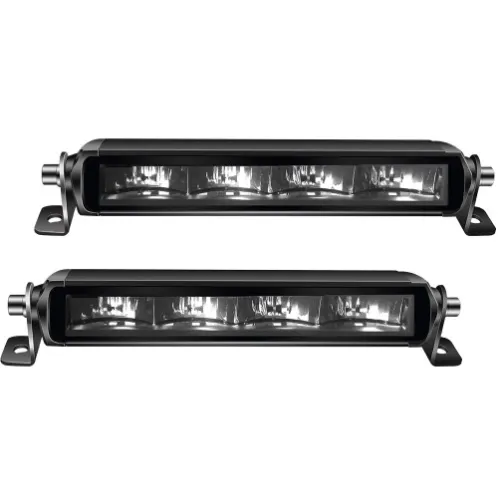
Waterproof.
Dustproof.
IP68.
IP69K.
These terms appear frequently on automotive lighting product pages.
They sound simple.
But they do not all mean the same thing.
For importers and distributors, ingress-protection ratings should be treated as technical claims that need to match the exact product and supporting evidence.
What Does IP Mean?
IP commonly refers to Ingress Protection.
The rating system is designed to classify protection against intrusion by:
- solid particles
- water
The numbers following IP indicate different protection levels.
For automotive lighting, these ratings can be relevant to products exposed to:
- rain
- dust
- road spray
- outdoor environments
Understanding the First Number
In a rating such as IP68:
the first number refers to protection against solid-particle ingress.
A value of 6 represents a high level of dust protection within the IP classification system.
This is why IP6X ratings are commonly discussed for outdoor lighting.
Understanding the Second Number
The second number refers to water ingress protection under specified test conditions.
Different numbers represent different water-exposure test categories.
This means:
IP67
IP68
and other ratings
should not simply be interpreted as marketing levels such as:
good
better
best.
They refer to different standardized tests.
What Does IP68 Mean?
IP68 generally indicates a product classified for dust protection and immersion conditions defined under the applicable test specification and manufacturer/test parameters.
The important point is that the exact immersion conditions matter.
A buyer should not automatically translate IP68 into:
waterproof forever at any depth.
That is not what the rating means.
What About IP69K?
IP69K is commonly associated with protection against high-pressure, high-temperature water-jet testing under the relevant test framework.
This can be relevant to products exposed to demanding wash-down environments.
Again, this should not be reduced to:
IP69K is simply one level above IP68.
The test conditions are different.
IP68 and IP69K Are Not Identical Tests
This is the key distinction.
IP68 relates to one type of water-ingress test environment.
IP69K relates to another.
A product can be designed for one, the other or both.
Do not treat the numbers as a simple linear ladder.
Why Automotive Buyers Should Care
External lighting products can face difficult conditions.
Examples include:
- auxiliary lights
- truck lighting
- off-road lights
These products may experience:
- rain
- dust
- mud
- washing
- vibration
Ingress protection can therefore be commercially important.
Ask Whether the Rating Applies to the Exact Product
One of the biggest sourcing mistakes is assuming a factory-level test or certificate covers every model.
Ask:
- Which exact model was tested?
- Which rating applies?
- Is a test report available?
- Is the report current?
- Does the production version match the tested version?
Do not automatically copy a rating from another product page.
Check the Complete Product
Water ingress does not only happen through the front lens.
Possible areas include:
- cable entry
- connector
- housing joint
- rear cover
- breather
- mounting interface
The complete sealing design matters.
Connectors May Need Separate Consideration
A lamp housing can have strong ingress protection while the electrical connector or wiring installation is less protected.
In real use, the system includes:
lamp
+
cable
+
connector
+
installation.
Buyers should evaluate the complete installed product.
Avoid Saying "100% Waterproof"
This phrase is common in marketing.
It is also too broad.
A more professional approach is stating the verified IP rating and, where necessary, the applicable test context.
Technical claims build more trust when they are precise.
Product Aging Can Affect Sealing
Ingress protection is not only about a new product leaving the factory.
Real-world conditions may include:
- heat cycles
- vibration
- UV exposure
- installation stress
- physical damage
For demanding applications, product construction and quality consistency remain important.
Work-Light Buyers Should Ask More Than IP Rating
For commercial and off-road applications, also evaluate:
- mounting hardware
- housing
- voltage range
- beam type
- connectors
- vibration resistance where supported
One impressive rating should not replace complete product evaluation.
Keep Documentation
If your business markets a specific IP claim, maintain the supporting information.
This is especially important for:
- private label
- distributors
- large projects
Marketing and documentation should match.
Related Market Guides
Discuss Automotive Lighting Specifications with Sunrise Auto Parts
Sunrise Auto Parts supplies automotive LED work lights, auxiliary lighting and related products for wholesale buyers.
Tell us your target application and environmental requirements so we can discuss relevant product options and available specifications.