
Sep 15, 2026
Why Does My LED Headlight Have a Bad Beam Pattern? 9 Possible Causes
Poor LED headlight beam pattern can result from chip position, bulb orientation, headlamp optics or installation. Learn what distributors and installers should check.
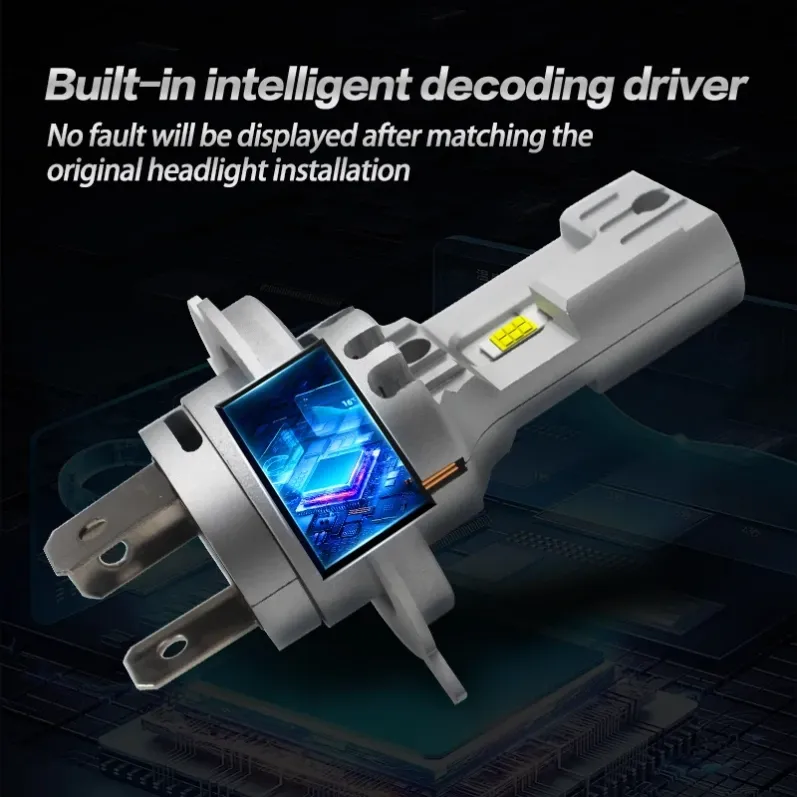
The new LED headlight looks extremely bright when you stand in front of the vehicle.
But on the road:
the beam is scattered.
There are dark areas.
The cut-off looks strange.
Oncoming drivers flash their lights.
This is a classic example of why headlight performance cannot be evaluated only by brightness.
A headlamp is an optical system.
The light source needs to work correctly with the reflector or projector around it.
1. The LED Light Source Is in the Wrong Optical Position
The original headlamp was designed around a specific light-source geometry.
In a halogen bulb, the filament sits in a carefully defined position.
An LED replacement uses chips instead of a filament.
If the LED emitting surface is positioned differently, the reflector or projector may send light into the wrong areas.
Even a small positional difference can affect the beam.
2. The Bulb Orientation Is Incorrect
Some LED headlight bulbs allow rotational adjustment.
If the LED chips are not oriented correctly in the headlamp, beam distribution may suffer.
Possible symptoms include:
irregular hotspot
scattered light
dark areas
poor cut-off
Always follow the installation guidance for the specific LED product.
3. The LED Chip Area Is Too Large or Poorly Matched
The size and position of the light-emitting area influence how the headlamp optics behave.
A large LED chip does not automatically create a better beam.
The goal is not simply maximizing chip surface.
The light source needs to approximate the optical position expected by the lamp.
This is one reason product engineering matters.
4. The Bulb Is Not Fully Seated
A bulb can appear installed but still sit incorrectly.
Check:
mounting collar
adapter
retaining clip
locking position
If the bulb is tilted or not fully seated, the optical position changes.
This can dramatically affect beam pattern.
5. The Headlamp Itself May Be Misaligned
Sometimes the problem is not the LED bulb.
The entire headlamp may be aimed incorrectly.
Headlamp alignment can change because of:
previous repairs
collision damage
suspension changes
manual adjustment
Before blaming the LED product, verify the lamp aim.
6. The Reflector or Projector Is Damaged
Older headlamps can have:
degraded reflector surfaces
dirty lenses
cloudy outer lenses
damaged projector components
Installing a brighter light source does not repair damaged optics.
In some cases, it may make the underlying optical problem more visible.
7. Reflector and Projector Headlamps Behave Differently
A product that performs well in one optical system may behave differently in another.
Reflector headlamps and projector headlamps shape light in different ways.
Therefore, claims such as:
Perfect beam in every headlamp
should be treated cautiously.
Representative application testing matters.
8. High and Low Beam Functions May Need Separate Evaluation
This is particularly important for H4.
H4 applications contain both high and low beam functions.
A product may look acceptable on one function but poor on the other.
Always test:
low beam
high beam
switching
beam distribution
Do not evaluate only one operating mode.
9. The Product May Not Suit That Headlamp
Sometimes the conclusion is simply:
This LED product and this headlamp are not a good optical match.
The socket can fit.
The electronics can work.
The bulb can be bright.
And the beam can still be poor.
Mechanical compatibility does not guarantee optical compatibility.
What Does a Good Beam Pattern Look Like?
The exact pattern depends on the headlamp design and market.
In general, a useful headlamp should provide:
controlled distribution
useful road illumination
appropriate cut-off where applicable
limited uncontrolled glare
consistent left/right performance
The goal is useful light on the road.
Not maximum brightness on a wall.
Perform a Repeatable Wall Test
For sample comparison:
Park the vehicle on level ground.
Use the same distance from a wall.
Mark the original beam.
Photograph the original light source.
Install the LED bulb.
Photograph again under the same conditions.
Compare beam shape, not camera exposure alone.
Keep the testing conditions consistent.
Do Not Let Phone Cameras Mislead You
Automatic smartphone exposure can make one light appear much brighter or darker than another.
Photos are useful.
But they should be combined with:
visual evaluation
road testing
consistent camera settings where possible
Do not make technical conclusions from one dramatic photograph.
Beam Pattern Should Be Part of Supplier Evaluation
When selecting an LED headlight series, test more than:
power
lumens
chip
fan.
Include:
optical position
beam
installation
repeat consistency
A product that produces a controlled beam can create fewer customer complaints than a product chosen only for the biggest specification.
Poor Beam Patterns Create Business Costs
For distributors, poor optics can lead to:
returns
installer complaints
customer dissatisfaction
reputational damage
That makes beam quality a commercial issue, not only a technical issue.
Evaluate LED Headlight Samples with Sunrise Auto Parts
Sunrise Auto Parts supplies LED headlight bulb products for automotive aftermarket wholesalers and distributors.
Tell us your target sockets and market applications, and we can discuss suitable products for sample testing before bulk purchasing.
Related Resources
Why Beam Pattern Matters More Than Huge Lumen Claims: https://www.chuxuparts.com/posts/why-led-headlight-beam-pattern-matters-more-than-lumens
How to Test LED Automotive Lighting Samples: https://www.chuxuparts.com/posts/how-to-test-led-automotive-lighting-samples-before-bulk-order