
Sep 17, 2026
Bi-LED Projector Lens Sample Testing: 10 Things Wholesale Buyers Should Check
A 10-point sample testing checklist for wholesale buyers evaluating Bi-LED projector lenses, including beam pattern, high/low beam, installation, mounting and consistency.
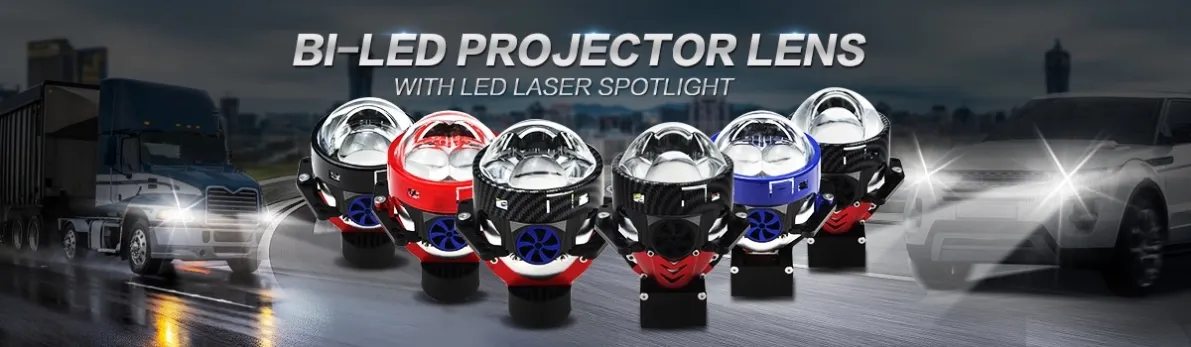
A projector lens can look impressive in a catalog.
Large lens.
Metal housing.
High wattage.
Beautiful photos.
But retrofit shops do not install catalog photos.
They install the actual projector.
That is why wholesale buyers should perform structured sample testing before building inventory.
Here are ten areas worth checking.
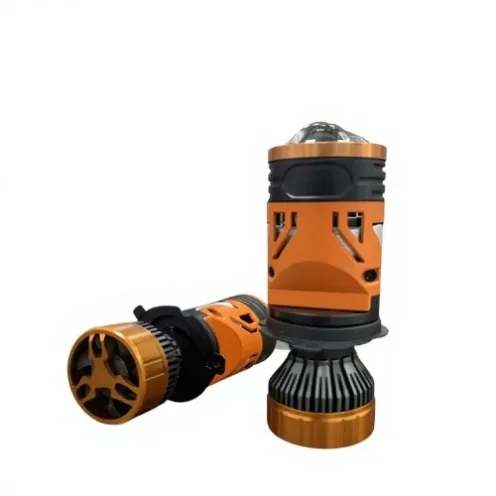
1. Confirm the Exact Product Version
Before testing anything, verify:
- model
- lens size
- driver
- mounting configuration
- LHD/RHD version where applicable
- accessories
The tested sample should match the product you plan to order.
Otherwise, the test has little commercial value.
2. Inspect Physical Construction
Look closely at:
- housing
- lens
- brackets
- screws
- connectors
- wiring
- solenoid mechanism where applicable
Check whether assembly appears consistent.
Do not evaluate only the front appearance.
3. Check Product Dimensions
Retrofit products need physical space.
Record:
- overall length
- lens diameter
- body size
- rear clearance
- mounting dimensions
A projector can perform well but still be commercially difficult if installers cannot fit it into common headlamps.
4. Evaluate Low-Beam Cut-Off
Low-beam performance is one of the most important areas to test.
Observe:
- cut-off shape
- sharpness
- width
- hotspot
- unwanted glare
Do not judge only how bright the wall appears.
The optical distribution matters.
5. Evaluate High Beam Separately
Bi-LED projectors generally provide both low and high beam functions.
Test the high beam independently.
Check:
- switching
- beam position
- additional illumination
- repeatability
A strong low beam does not automatically guarantee a good high beam.
6. Check High/Low Switching Mechanism
The mechanical or electronic switching system should operate consistently.
Repeat the high/low switch multiple times.
Listen and observe for:
- inconsistent operation
- delay
- abnormal noise
- failure to return
If several samples are available, compare them.
7. Confirm the Correct LHD/RHD Requirement
The intended driving-side market matters.
Before bulk purchasing, confirm which beam configuration is required for the destination.
Do not treat LHD/RHD only as an SEO keyword.
It is an application requirement.
For distributors serving several countries, version identification becomes particularly important.
8. Evaluate Installation and Mounting
Ask an experienced retrofit technician to install the projector.
Record:
- mounting difficulty
- required adapters
- available adjustment
- wiring complexity
- headlamp modification required
The installer often notices issues the purchasing manager will not.
9. Test Several Units for Consistency
Do not approve a projector based on one excellent sample.
Compare several units.
Look for consistency in:
- cut-off
- hotspot
- lens appearance
- assembly
- switching
Wholesale buying requires repeatability.
10. Compare Products Under the Same Conditions
When comparing two suppliers, use:
- same distance
- same wall
- same electrical conditions
- same camera settings where possible
- same test method
Otherwise, dramatic beam photos can be misleading.
Consistency makes comparison more meaningful.
Do Not Compare Only Wattage and Lumens
Projector performance involves optics.
A larger wattage number does not automatically create:
- wider beam
- better cut-off
- better road illumination
Evaluate the actual projector as an optical system.
Ask Retrofit Shops to Participate
Professional installers can provide feedback on:
- fitment
- mounting
- optical adjustment
- customer suitability
If retrofit shops are your main customer group, their feedback should influence product selection.
Keep the Approved Sample
Once a projector is approved, keep a reference unit.
Record:
- model
- version
- packaging
- accessories
- test photos
This gives you something to compare with future production batches.
Create a Simple Scorecard
Score each projector from 1–5 for:
Beam quality
High beam
Switching
Construction
Installation
Consistency
Packaging
Commercial price
Then compare total performance rather than reacting to one impressive feature.
Consider the Customer's Skill Level
Not every buyer is a professional retrofit technician.
If the product requires complex installation, make that clear.
A sale to the wrong customer can create unnecessary after-sales problems.
Product Education Can Help the Distributor Sell
Useful marketing materials may include:
- dimensions
- installation images
- beam photos
- LHD/RHD information
- high/low demonstration
This helps professional buyers understand what they are purchasing.
Evaluate Bi-LED Projector Lenses with Sunrise Auto Parts
Sunrise Auto Parts supplies automotive projector lens products for wholesalers and professional retrofit buyers.
Tell us your target market, required lens format and customer type so we can discuss suitable projector products for sample testing.
Related Resources
Ready to run your own bench test? Request Bi-LED Projector Samples