
Jul 9, 2026Services Overview
How to Choose the Right LED Work Light: A Complete Buying Guide for Different Applications
Choosing an LED work light isn't just about brightness. it affect real-world performance across construction, agriculture, mining, trucks, and off-road vehicles.
How to Choose the Right LED Work Light: A Complete Buying Guide for Different Applications
If you've ever searched for LED work lights online, you've probably noticed that almost every product promises the same things—higher brightness, longer lifespan, and rugged durability.
Yet once you start comparing specifications, the decision becomes much more complicated.
Should you choose a flood beam or a spot beam?
Does higher wattage always mean better lighting?
Is an IP68 rating really necessary?
And why do two work lights with similar specifications often perform very differently in real working conditions?
These are questions we hear frequently from distributors and equipment buyers.
The truth is that selecting an LED work light isn't simply about buying the brightest product available. The right choice depends on where the light will be used, how long it will operate, and what kind of environment it needs to withstand.
In this guide, we'll explain the key factors that matter when choosing an LED work light and help you avoid some of the most common purchasing mistakes.
What Is an LED Work Light?
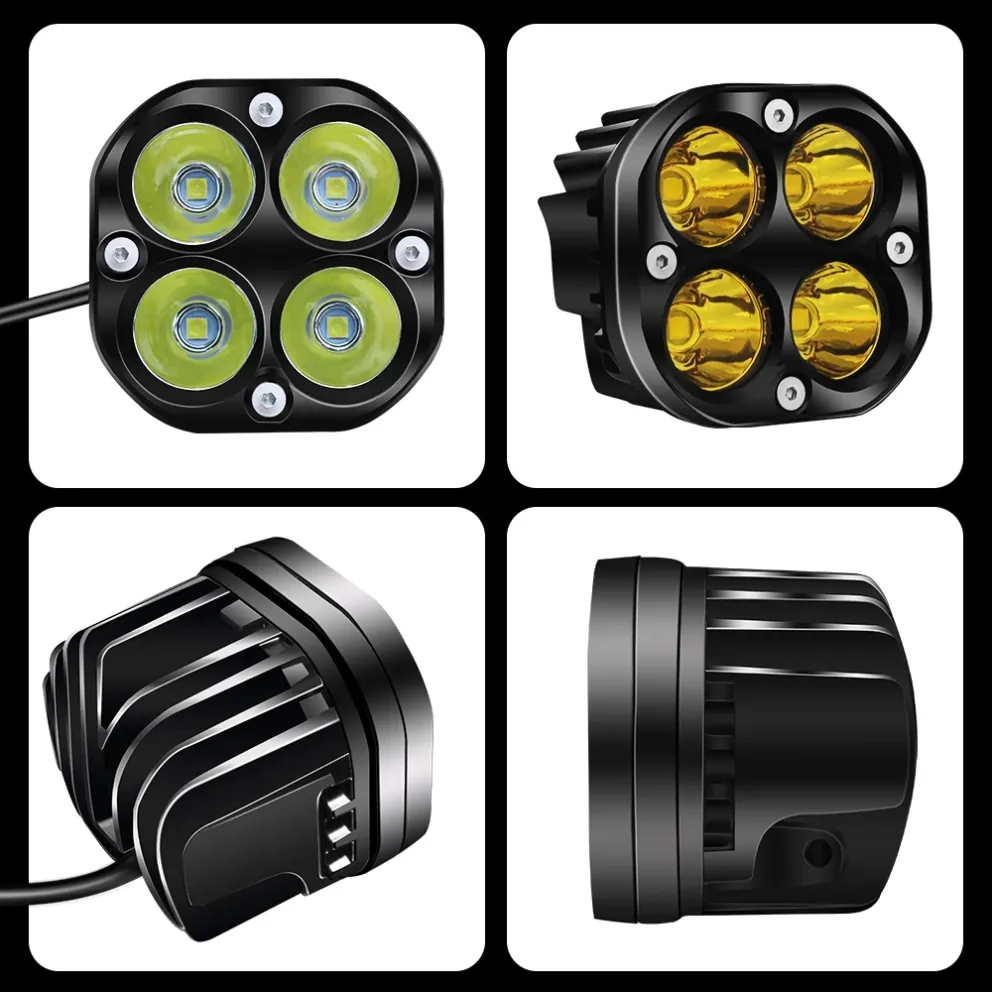
An LED work light is a high-performance lighting fixture designed to provide reliable illumination in demanding working environments.
Unlike standard automotive headlights, which focus on road visibility, work lights are built to illuminate job sites, equipment, and surrounding work areas.
Today, LED work lights are widely used on:
- Construction machinery
- Agricultural tractors
- Excavators
- Forklifts
- Mining equipment
- Pickup trucks
- Utility vehicles
- Emergency service vehicles
- Off-road vehicles
- Marine equipment
Because many of these applications involve dust, vibration, moisture, and long operating hours, durability is just as important as brightness.
Why LED Technology Has Become the Industry Standard
Years ago, many machines relied on halogen work lights.
While inexpensive, halogen bulbs consume more power, generate significant heat, and require more frequent replacement.
LED technology offers several practical advantages.
Higher Energy Efficiency
LEDs convert a larger percentage of electrical energy into usable light.
For heavy equipment operating throughout the day—or even around the clock—lower power consumption can reduce the electrical load on the vehicle.
Longer Service Life
Replacing work lights on large equipment isn't always convenient.
High-quality LED work lights can operate for tens of thousands of hours under normal conditions, reducing maintenance and downtime.
However, actual lifespan depends heavily on thermal management, waterproof sealing, and manufacturing quality.
Better Resistance to Harsh Environments
Construction sites, farms, mines, and forests expose lighting equipment to:
- Dust
- Mud
- Heavy rain
- Constant vibration
- Extreme temperatures
Quality LED work lights are typically designed with durable housings and sealed enclosures to withstand these demanding conditions.
Brightness Isn't Everything
One of the biggest misconceptions among first-time buyers is that the highest lumen rating automatically provides the best performance.
It doesn't.
Imagine trying to illuminate an entire construction site with a flashlight that concentrates all of its light into one tiny spot.
The light might be incredibly bright, but most of the work area would remain in darkness.
The opposite can also happen.
A very wide beam may illuminate nearby objects beautifully while leaving distant obstacles difficult to see.
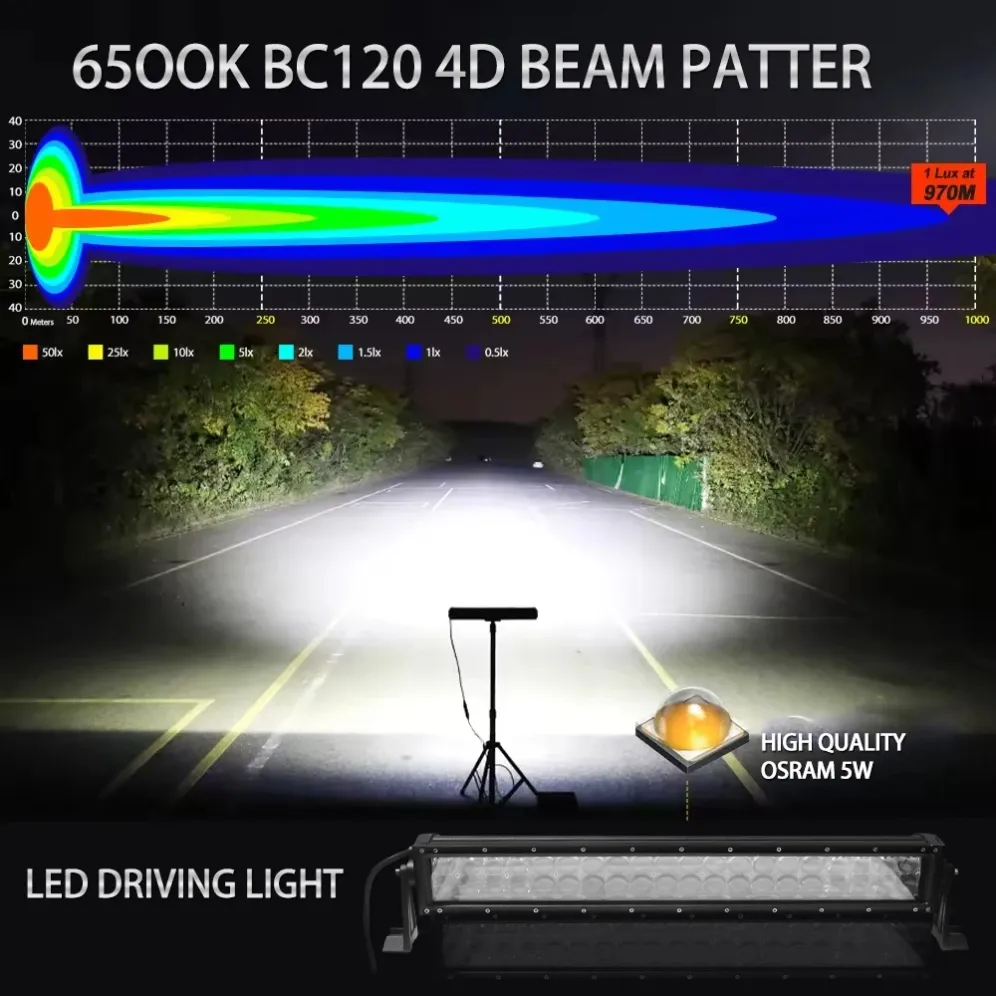
This is why professional buyers usually evaluate beam pattern before comparing lumen numbers.
Understanding Beam Patterns
Choosing the correct beam pattern is one of the most important decisions when selecting an LED work light.
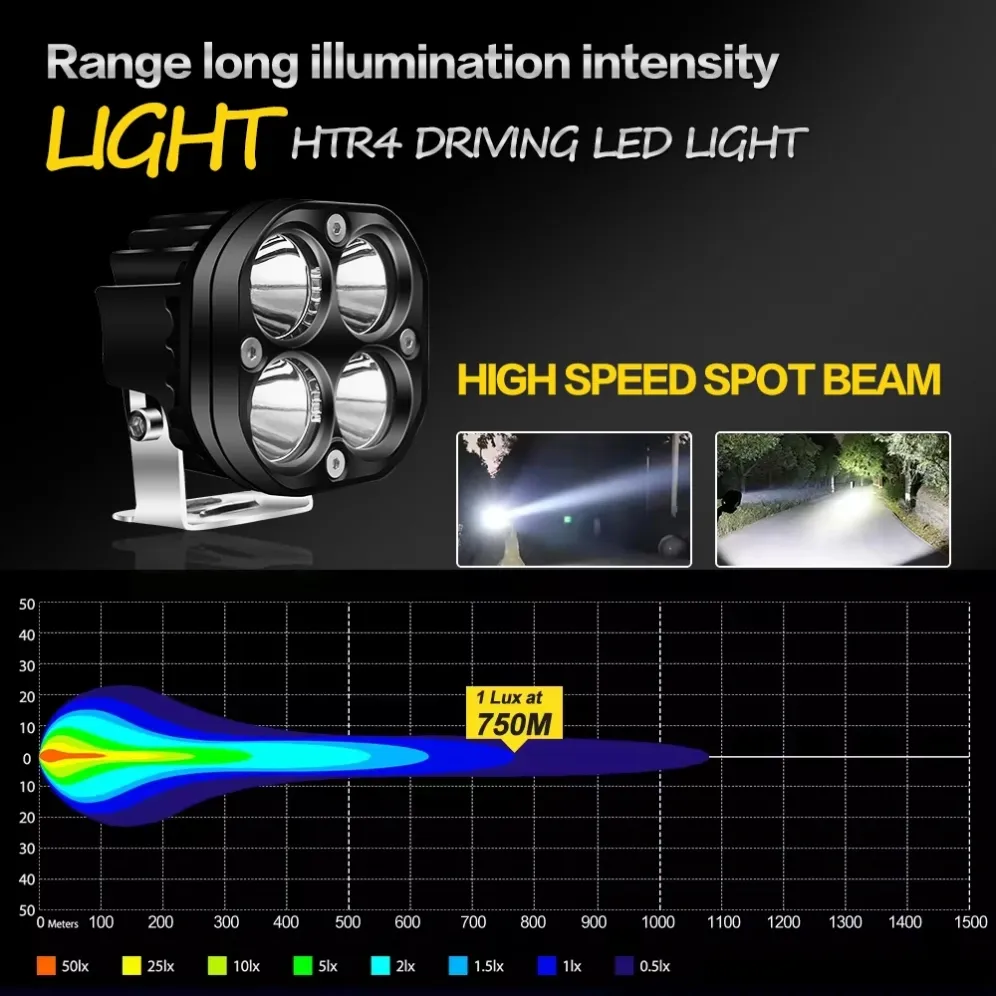
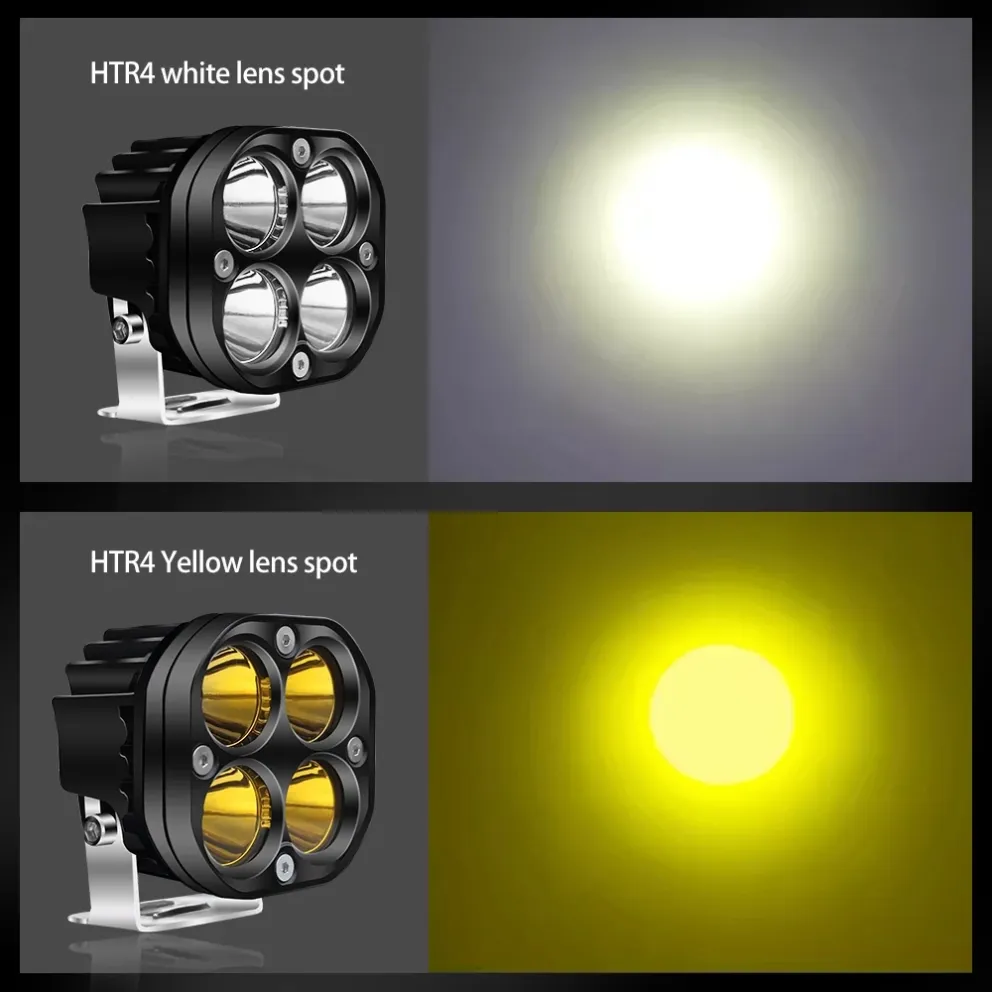
Spot Beam
A spot beam produces a narrow, concentrated beam designed to project light over longer distances.
It is commonly used for:
- High-speed driving
- Long-distance visibility
- Forestry equipment
- Mining trucks
Flood Beam
Flood beams spread light over a much wider area.
Although they don't project as far as spot beams, they provide excellent visibility around the machine.
Flood beams are commonly used on:
- Excavators
- Forklifts
- Agricultural machinery
- Construction equipment
Combination Beam
Many professional users choose combination beam lights because they provide both distance and peripheral illumination.
This makes them suitable for vehicles operating in changing environments.
Choosing the Right IP Rating
LED work lights frequently operate in harsh outdoor environments.
For this reason, waterproof protection deserves careful attention.
Many quality work lights carry IP67 or IP68 ratings.
These ratings indicate the product's resistance to dust and water ingress according to the International Electrotechnical Commission (IEC).
For vehicles that regularly encounter rain, mud, or pressure washing, higher protection ratings may improve long-term reliability.
Yet once you start comparing specifications, the decision becomes much more complicated.
Should you choose a flood beam or a spot beam?
Does higher wattage always mean better lighting?
Is an IP68 rating really necessary?
And why do two work lights with similar specifications often perform very differently in real working conditions?
These are questions we hear frequently from distributors and equipment buyers.
The truth is that selecting an LED work light isn't simply about buying the brightest product available. The right choice depends on where the light will be used, how long it will operate, and what kind of environment it needs to withstand.
In this guide, we'll explain the key factors that matter when choosing an LED work light and help you avoid some of the most common purchasing mistakes.

What Is an LED Work Light?
An LED work light is a high-performance lighting fixture designed to provide reliable illumination in demanding working environments.
Unlike standard automotive headlights, which focus on road visibility, work lights are built to illuminate job sites, equipment, and surrounding work areas.
Today, LED work lights are widely used on:
- Construction machinery
- Agricultural tractors
- Excavators
- Forklifts
- Mining equipment
- Pickup trucks
- Utility vehicles
- Emergency service vehicles
- Off-road vehicles
- Marine equipment
Because many of these applications involve dust, vibration, moisture, and long operating hours, durability is just as important as brightness.
Why LED Technology Has Become the Industry Standard
Years ago, many machines relied on halogen work lights.
While inexpensive, halogen bulbs consume more power, generate significant heat, and require more frequent replacement.
LED technology offers several practical advantages.
Higher Energy Efficiency
LEDs convert a larger percentage of electrical energy into usable light.
For heavy equipment operating throughout the day—or even around the clock—lower power consumption can reduce the electrical load on the vehicle.
Longer Service Life
Replacing work lights on large equipment isn't always convenient.
High-quality LED work lights can operate for tens of thousands of hours under normal conditions, reducing maintenance and downtime.
However, actual lifespan depends heavily on thermal management, waterproof sealing, and manufacturing quality.
Better Resistance to Harsh Environments
Construction sites, farms, mines, and forests expose lighting equipment to:
- Dust
- Mud
- Heavy rain
- Constant vibration
- Extreme temperatures
Quality LED work lights are typically designed with durable housings and sealed enclosures to withstand these demanding conditions.
Brightness Isn't Everything
One of the biggest misconceptions among first-time buyers is that the highest lumen rating automatically provides the best performance.
It doesn't.
Imagine trying to illuminate an entire construction site with a flashlight that concentrates all of its light into one tiny spot.
The light might be incredibly bright, but most of the work area would remain in darkness.
The opposite can also happen.
A very wide beam may illuminate nearby objects beautifully while leaving distant obstacles difficult to see.
This is why professional buyers usually evaluate beam pattern before comparing lumen numbers.
Understanding Beam Patterns
Choosing the correct beam pattern is one of the most important decisions when selecting an LED work light.
Spot Beam
A spot beam produces a narrow, concentrated beam designed to project light over longer distances.
It is commonly used for:
- High-speed driving
- Long-distance visibility
- Forestry equipment
- Mining trucks
Flood Beam
Flood beams spread light over a much wider area.
Although they don't project as far as spot beams, they provide excellent visibility around the machine.
Flood beams are commonly used on:
- Excavators
- Forklifts
- Agricultural machinery
- Construction equipment
Combination Beam
Many professional users choose combination beam lights because they provide both distance and peripheral illumination.
This makes them suitable for vehicles operating in changing environments.
Choosing the Right IP Rating
LED work lights frequently operate in harsh outdoor environments.
For this reason, waterproof protection deserves careful attention.
Many quality work lights carry IP67 or IP68 ratings.
These ratings indicate the product's resistance to dust and water ingress according to the International Electrotechnical Commission (IEC).
For vehicles that regularly encounter rain, mud, or pressure washing, higher protection ratings may improve long-term reliability.
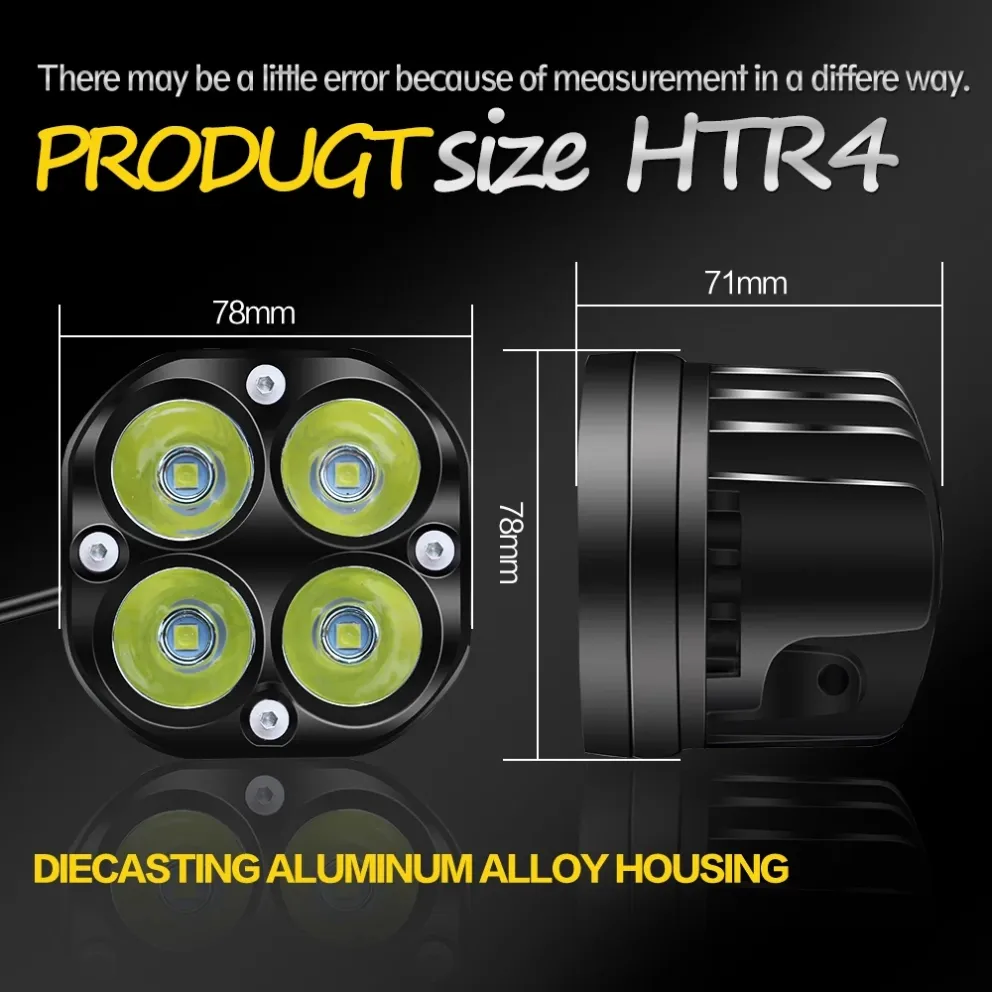
Housing Material Matters
Not all housings are created equal.
A durable aluminum housing offers several advantages:
- Better heat dissipation
- Improved corrosion resistance
- Greater structural strength
- Longer service life
Plastic housings may reduce manufacturing costs but generally provide less efficient cooling under continuous operation.
Common Mistakes Buyers Make
After working with distributors from different markets, we've noticed several purchasing mistakes appear repeatedly.
Buying Based Only on Wattage
Higher wattage does not necessarily mean better illumination.
Optical design and beam distribution often have a greater impact.
Ignoring Mounting Options
Before purchasing, verify that the mounting bracket suits your equipment.
Different vehicles may require different installation methods.
Overlooking Heat Management
High-output LEDs generate heat.
Without an effective cooling system, brightness may gradually decrease during extended use.
Focusing Only on Price
The cheapest work light may become the most expensive if frequent replacements, warranty claims, or downtime become necessary.
Many experienced distributors evaluate overall reliability rather than simply comparing initial purchase costs.
Buying Tips for Importers and Distributors
If you're sourcing LED work lights for wholesale distribution, consider asking potential suppliers the following questions:
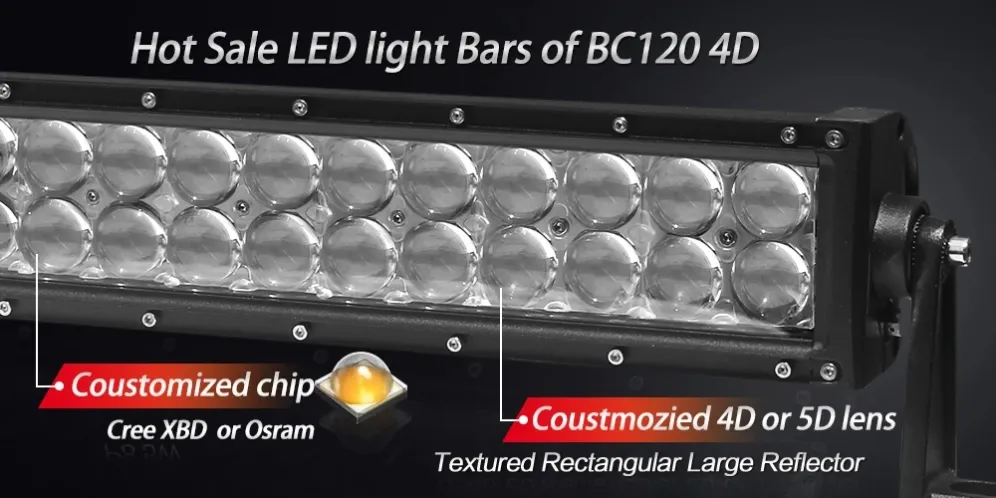
- What LED chips are used?
- Is the housing made from die-cast aluminum?
- What waterproof testing has been completed?
- Are beam pattern tests available?
- What certifications does the product have?
- Can packaging be customized?
- What warranty is offered?
These questions often reveal much more about product quality than a specification sheet alone.
Final Thoughts
Choosing an LED work light involves much more than comparing brightness or wattage.
Beam pattern, cooling performance, waterproof protection, housing quality, and manufacturing consistency all contribute to reliable performance in demanding environments.
Whether you're equipping heavy machinery, upgrading commercial vehicles, or sourcing products for your business, understanding these engineering fundamentals can help you make more informed purchasing decisions.
A well-designed LED work light should do more than produce light—it should provide dependable performance whenever and wherever it's needed.