
Aug 29, 2026
Right to Repair and the Automotive Aftermarket: Why Lighting Distributors Should Care
Understand why right-to-repair, vehicle data access and increasingly complex electronics matter to independent automotive lighting distributors and workshops.
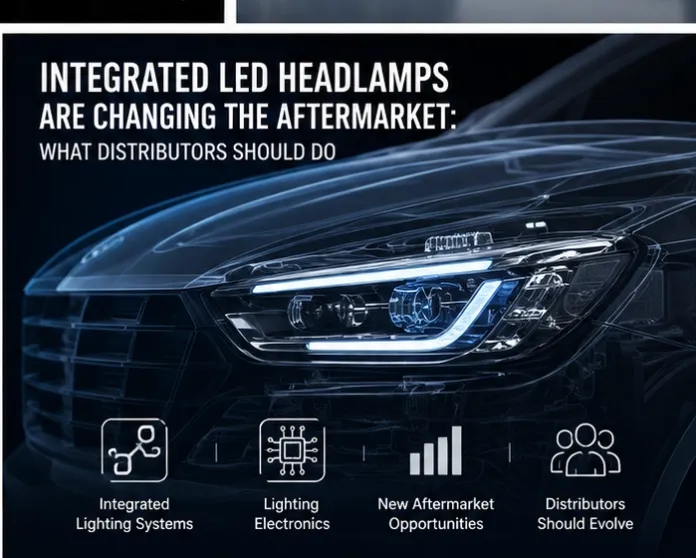
A replacement bulb used to be simple.
Identify the socket.
Remove the old bulb.
Install the new one.
Modern vehicles are making that process more complicated.
Lighting is increasingly connected with electronics, control modules, vehicle data and diagnostic systems.
This is one reason the global Right-to-Repair discussion matters to automotive aftermarket businesses.
What Does Right to Repair Mean?
In simple terms, Right to Repair refers to the ability of independent workshops, parts businesses and vehicle owners to access the information and tools needed to service and repair vehicles.
This may involve access to:
- repair information
- diagnostic data
- software
- service procedures
- vehicle identification data
The exact legal framework varies by market.
But the commercial question is universal:
Can independent aftermarket businesses realistically service increasingly complex vehicles?
Why This Matters to Lighting
Traditional lighting replacement often required little diagnostic information.
Newer lighting systems can involve:
- LED modules
- control units
- adaptive functions
- electronic fault codes
- calibration
- coding
As these technologies spread through the vehicle fleet, independent workshops need better information and tools.
That changes what distributors may eventually need to provide.
The Out-of-Warranty Fleet Is Huge
S&P Global Mobility's 2026 aftermarket analysis highlights the continued importance of vehicles outside original warranty coverage.
These vehicles are particularly important to the independent aftermarket because owners are more likely to use:
- independent workshops
- aftermarket parts
- alternative repair solutions
For distributors, this supports a large potential customer base.
But the products and technical support required will become more complex.
Product Identification Will Become More Important
With a traditional H7 bulb, the socket may be enough information to begin.
With an integrated lighting system, the distributor may need:
- VIN
- OE part number
- model year
- headlamp version
- module number
- market specification
A future-ready distributor should gradually improve its ability to identify the exact vehicle application.
Workshops May Expect More Support
Independent workshops increasingly compete with authorized networks on technical capability.
A lighting supplier may eventually be asked for more than:
Do you have this lamp?
Customers may also ask:
- Is coding required?
- Which module is correct?
- Does this unit need calibration?
- Which version fits this VIN?
Even if your current business focuses on replacement bulbs, understanding this direction is valuable.
Replacement Bulbs Will Still Matter
Right-to-Repair discussions do not mean the traditional lighting aftermarket disappears.
Millions of older vehicles still use replaceable:
- H-series bulbs
- 900-series bulbs
- HID/D-Series light sources
Those vehicles will remain important aftermarket customers for years.
The change is that new lighting technologies will gradually add another layer to the business.
Independent Distributors Need Better Information Systems
As product complexity grows, spreadsheets and memory become less reliable.
Useful future capabilities may include:
- OE cross-reference databases
- vehicle application data
- product photos
- technical installation notes
- version control
- approved specification records
The companies that organize information well can become easier for workshops to buy from.
Right to Repair Is Also About Competition
If independent businesses cannot access necessary repair information, more repair activity may remain inside authorized networks.
If access improves, the independent aftermarket has more opportunity to compete.
That is why data-access rules can ultimately affect:
- parts distributors
- workshops
- diagnostic-tool companies
- aftermarket brands
not only vehicle owners.
What Can a Lighting Distributor Do Today?
You do not need to become a diagnostic company tomorrow.
Start with practical improvements:
- Improve product identification.
- Keep specifications consistent.
- Build better application records.
- Ask customers which vehicles they service.
- Follow new lighting-electronics trends.
- Work with technically strong installers.
This builds capability gradually.
Sunrise Auto Parts and the Independent Aftermarket
Sunrise Auto Parts supplies automotive LED lighting products for independent wholesalers, distributors and aftermarket businesses.
Tell us the vehicles and lighting categories you currently serve, and we can discuss suitable replacement and upgrade products for your market.
CTA:
Discuss Your Automotive Lighting Requirements
Industry Source:
S&P Global Mobility — Top Automotive Aftermarket Trends 2026.
==================================================
Related Resources
LED lighting products: https://www.chuxuparts.com/productsIntegrated LED Headlamps: https://www.chuxuparts.com/posts/integrated-led-headlamps-changing-automotive-aftermarketContact Sunrise Auto Parts: https://www.chuxuparts.com/contact