
Jul 9, 2026Services Overview
LED vs. Halogen vs. HID: What's the Difference?
If you're researching automotive lighting, you'll almost certainly come across three technologies: halogen, HID (High-Intensity Discharge), and LED.
Halogen Headlights
Halogen bulbs have been the standard in the automotive industry for decades.
They work by heating a tungsten filament inside a bulb filled with halogen gas. The glowing filament produces light that is reflected onto the road.
The biggest advantage of halogen bulbs is affordability. They're inexpensive, widely available, and compatible with most older vehicles.
However, halogen technology also has several limitations.
Because much of the electrical energy is converted into heat rather than light, halogen bulbs are relatively inefficient. They also tend to have a shorter service life and gradually become dimmer as the filament ages.
HID Headlights
HID headlights, sometimes called xenon headlights, generate light through an electrical arc rather than a filament.
Compared with halogen bulbs, HID systems generally produce higher brightness and a longer operating life.
Many premium vehicles introduced during the 2000s adopted HID lighting because it offered improved nighttime visibility.
However, HID systems usually require additional components such as ballasts and can take a few seconds to reach full brightness after being switched on.
LED Headlights
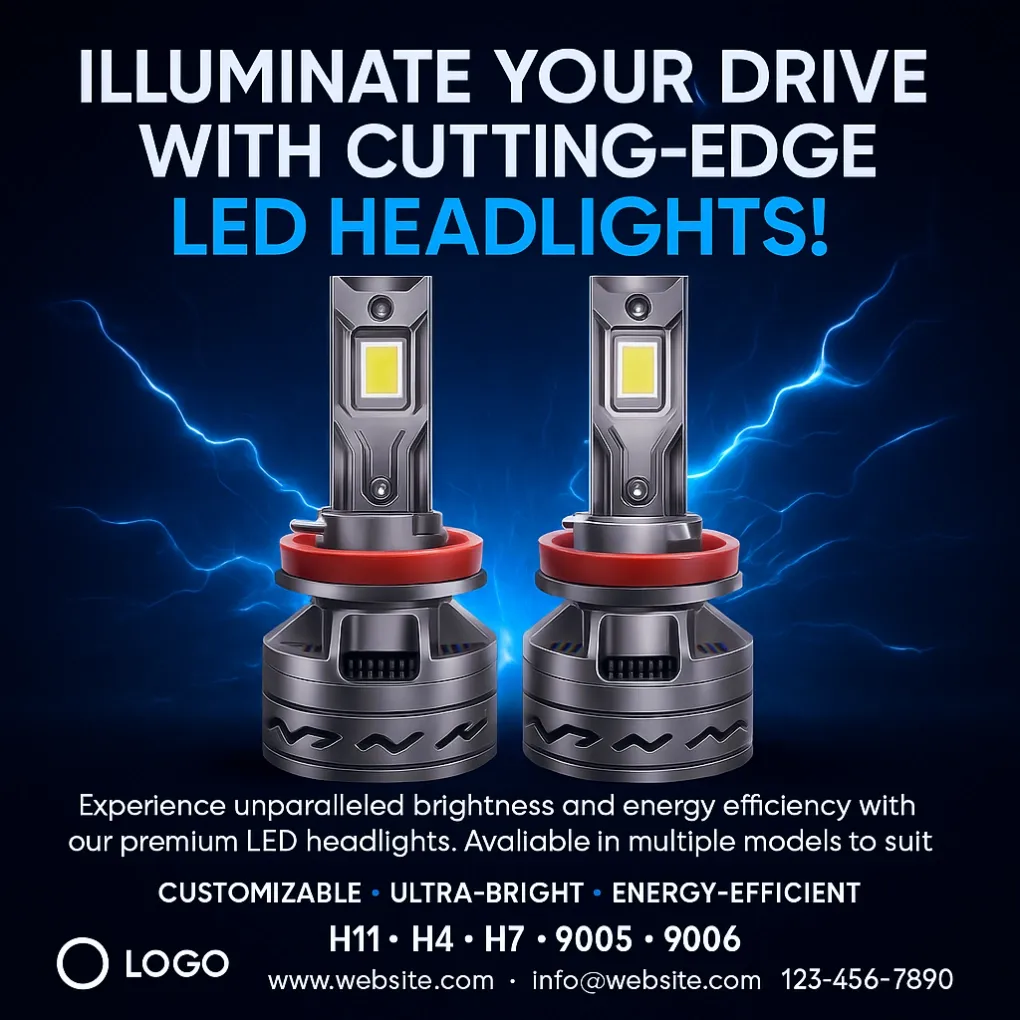
LED technology combines many of the advantages of both previous systems while reducing some of their drawbacks.
Quality LED headlights can provide:
- Instant full brightness
- Lower power consumption
- Longer operating life
- Compact design
- Better compatibility with modern vehicle electronics
- Flexible optical design
This combination explains why many new passenger vehicles, SUVs, trucks, and motorcycles now leave the factory equipped with LED lighting.
Feature | Halogen | HID | LED |
|---|---|---|---|
Energy Efficiency | Low | Medium | High |
Brightness | Medium | High | High |
Warm-up Time | Instant | Several Seconds | Instant |
Typical Lifespan | Short | Medium | Long |
Heat Generation | High | Medium | Lower at the light source* |
Maintenance | Easy | Moderate | Low |
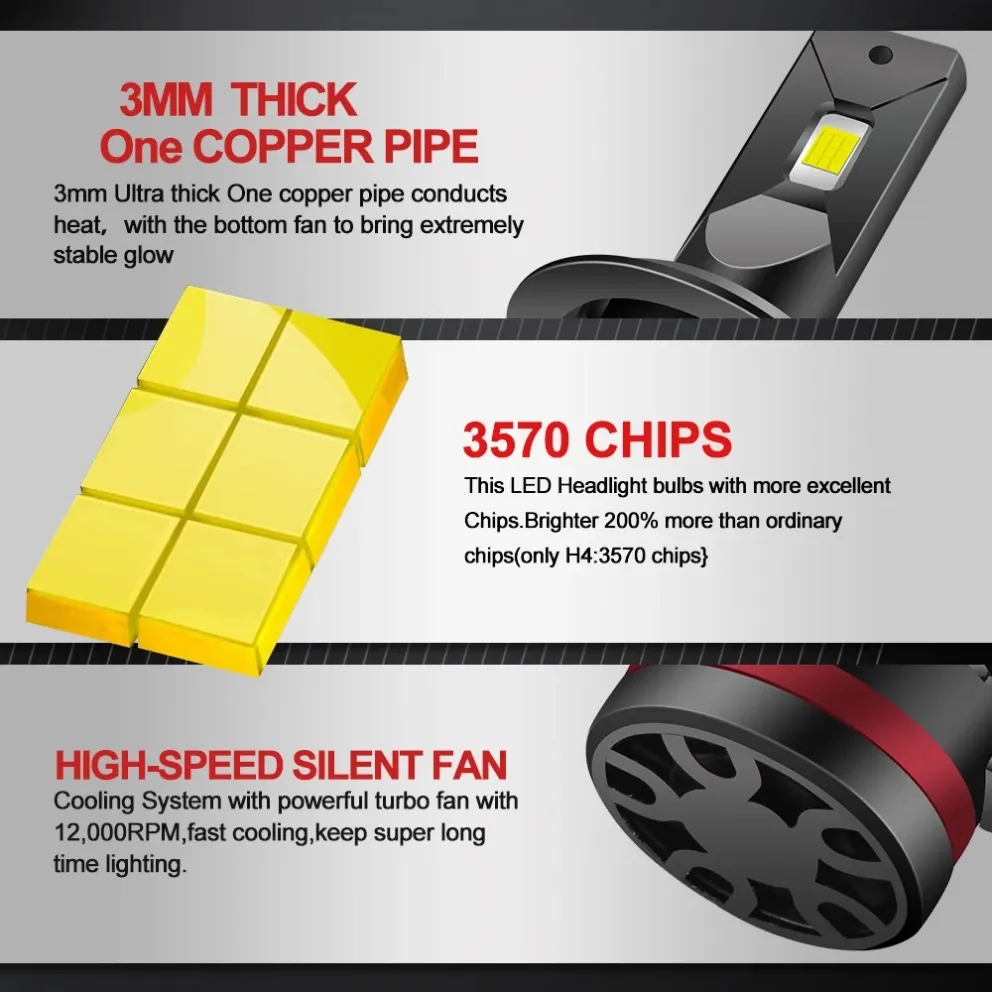
Although LEDs emit less forward heat than halogen bulbs, the LED chips themselves still generate heat that must be managed through an effective cooling system.
What Are the Benefits of LED Headlight Bulbs?
The growing popularity of LED headlights isn't simply driven by trends.
Several practical advantages make them an attractive option for both vehicle owners and automotive parts distributors.
Improved Nighttime Visibility
One of the most noticeable improvements many drivers experience after upgrading to quality LED headlights is clearer road visibility.
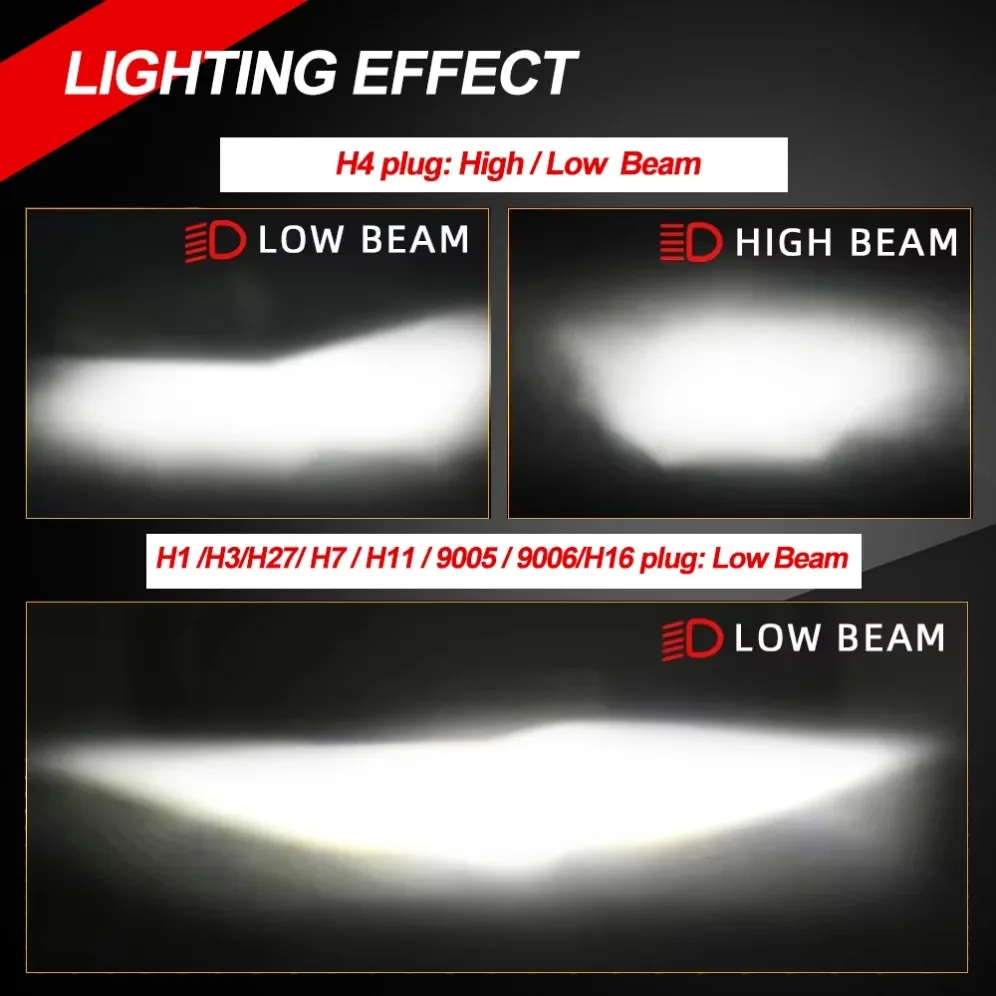
A properly designed beam pattern helps illuminate road markings, signs, pedestrians, and potential hazards while minimizing glare for oncoming traffic.
It's important to remember that good visibility comes from a combination of brightness, beam control, and proper installation—not brightness alone.
Faster Response Time
Unlike HID systems that may require a short warm-up period, LED headlights reach full brightness almost instantly.
While this difference may seem small, faster illumination can be particularly useful when switching between high and low beams or when using flashing signals.
Lower Maintenance Requirements
Replacing headlight bulbs may not happen often, but nobody enjoys unexpected failures.
Because LED headlights have no fragile filament, they are generally more resistant to vibration than traditional halogen bulbs.
This makes them especially suitable for vehicles operating on rough roads or in demanding environments.
Better Design Flexibility
The compact size of LED chips gives manufacturers greater flexibility when designing modern vehicle lighting systems.
Today's automotive lighting includes features such as:
- Adaptive headlights
- Daytime Running Lights (DRLs)
- Sequential turn signals
- Matrix LED systems
- Intelligent lighting control
Many of these technologies would be difficult—or impossible—to achieve using traditional halogen bulbs.
Are LED Headlights Always Better?
Not necessarily.
Like almost every automotive component, quality matters.
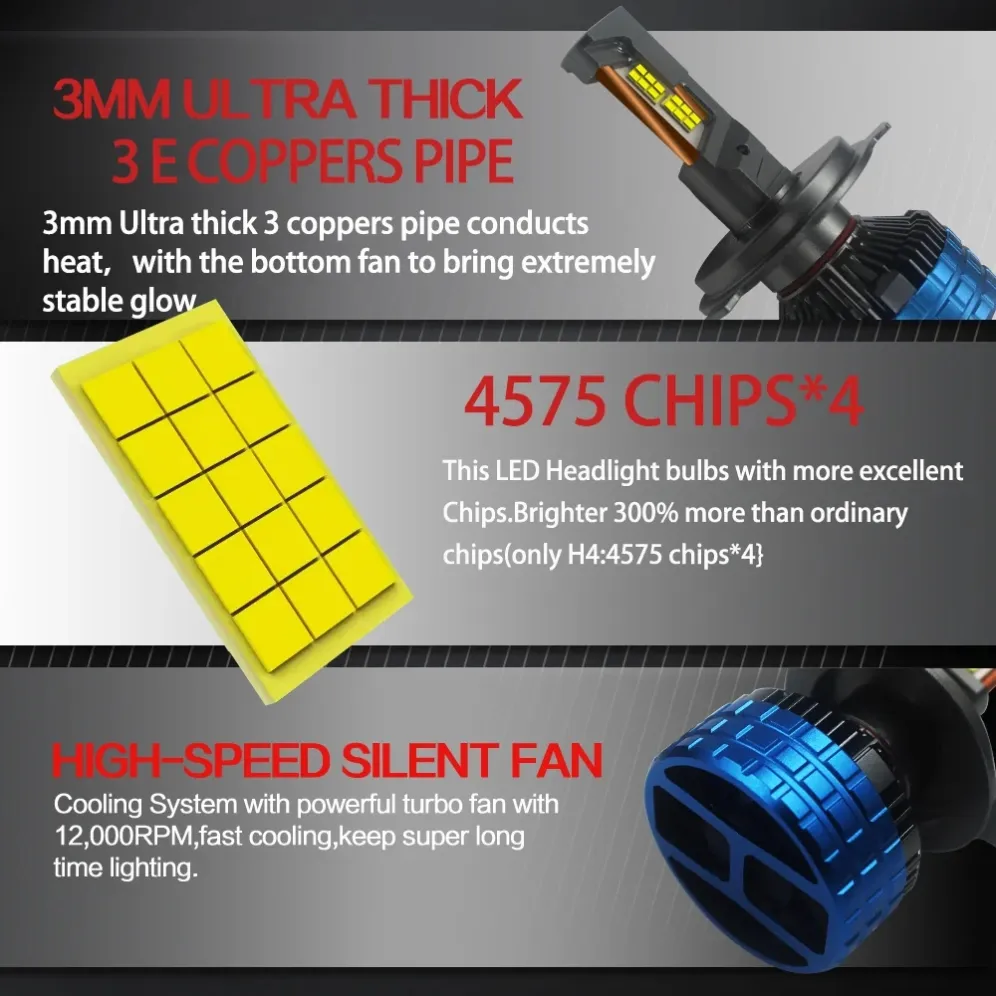
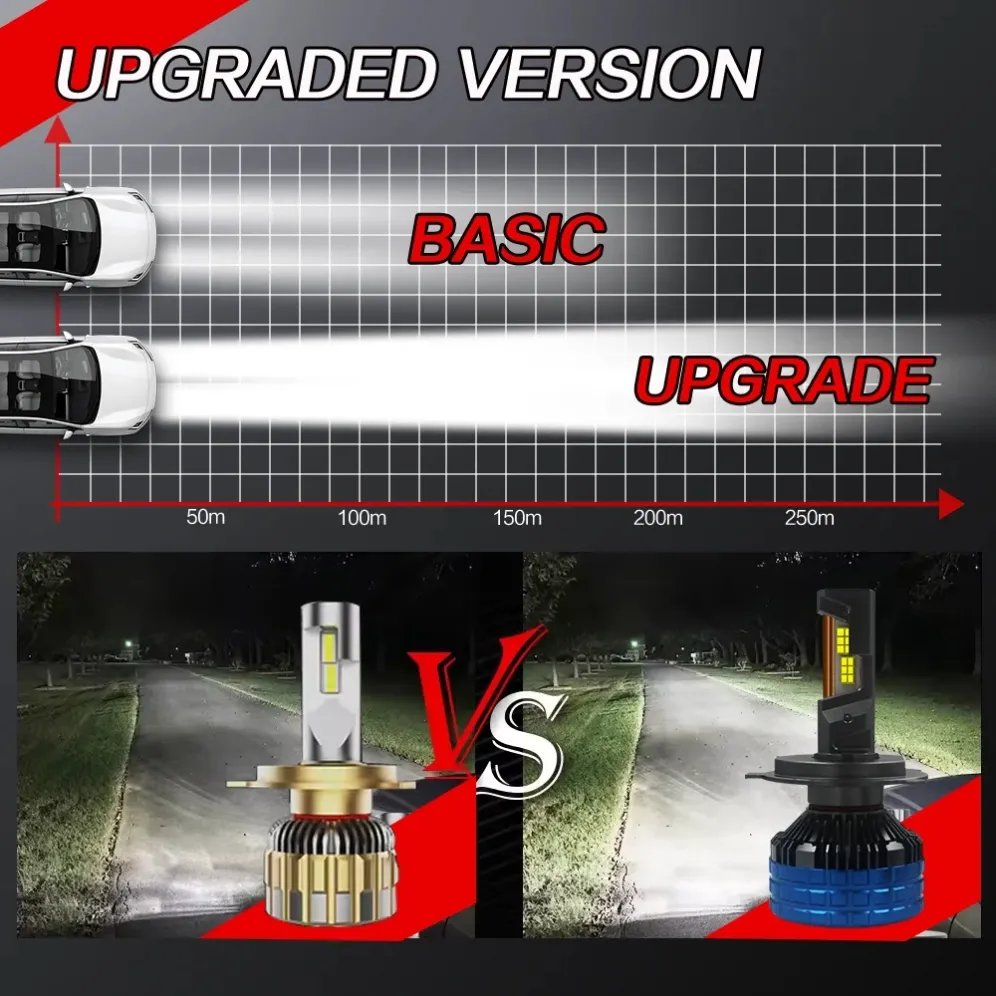
Two LED headlight bulbs may look nearly identical in online photos while performing very differently once installed.
This is one of the most common questions we hear from distributors.
Many buyers naturally focus on advertised wattage or lumen figures. In practice, those specifications tell only part of the story.
Other factors often have a greater influence on real-world performance, including:
- Beam pattern accuracy
- LED chip quality
- Thermal management
- Driver stability
- Waterproof sealing
- Manufacturing consistency
A well-engineered 70W LED headlight may outperform a poorly designed product claiming much higher output simply because it manages heat more effectively and maintains a stable beam over time.
Common Types of LED Headlight Bulbs
One of the first things buyers notice is that LED headlights are available in many different socket types.
These designations refer to the connector and mounting style used by different vehicle manufacturers.
Some of the most common options include:
- H1
- H4 / HB2
- H7
- H8
- H9
- H11
- H13 / 9008
- 9004
- 9005 / HB3
- 9006 / HB4
- 9012
- 5202
- D1S, D2S, D3S, D4S and other D-Series replacements
Before purchasing replacement bulbs, always verify your vehicle's original bulb type by consulting the owner's manual or using a reliable vehicle bulb finder.
What Should Buyers Look for Before Purchasing?
Whether you're replacing headlights for your own vehicle or sourcing products for wholesale distribution, it's worth evaluating more than just price.
Here are several factors experienced buyers often consider.
Beam Pattern
A controlled beam pattern usually provides greater real-world safety than excessive brightness.
Look for products designed to closely match the original filament position.
Thermal Management
Heat is one of the biggest challenges for high-output LED lighting.
Quality products often incorporate aluminum heat sinks, cooling fans, heat pipes, or other thermal management solutions to maintain stable performance during extended operation.
Driver Design
A reliable driver helps maintain consistent brightness while reducing flickering and improving compatibility with modern vehicle electrical systems.
Some premium products use external drivers to improve thermal separation and long-term reliability.
Waterproof Rating
Vehicles encounter rain, snow, dust, mud, and frequent temperature changes.
Many automotive LED headlights are designed with IP67 or IP68 protection ratings to improve durability in demanding environments.
The International Electrotechnical Commission (IEC) defines the IP (Ingress Protection) rating system for resistance to dust and water.
Warranty and Quality Control
For distributors, product consistency often matters more than headline specifications.
Reliable manufacturing processes, quality inspections, and reasonable warranty support can reduce after-sales issues and improve customer satisfaction over the long term.
Frequently Asked Questions
Can I replace halogen bulbs with LED bulbs?
In many vehicles, yes. However, compatibility depends on the headlight housing, electrical system, and local regulations.
Do LED headlights use less electricity?
Generally, yes. LED technology is more energy-efficient than halogen lighting while producing higher usable light output.
Why do some LED headlights have cooling fans?
Cooling fans help remove heat generated by the LED chips. Effective thermal management supports stable brightness and longer operating life.
Are higher lumen numbers always better?
Not necessarily.
Beam pattern, optical design, and thermal performance often have a greater impact on real-world visibility than advertised lumen figures alone.
How long do LED headlight bulbs last?
Actual lifespan varies depending on design, operating conditions, and manufacturing quality.
Well-designed LED headlights may operate for tens of thousands of hours under normal conditions, although real-world performance depends on proper heat management and electrical stability.
Final Thoughts
LED headlight bulbs have transformed automotive lighting over the past decade by offering improved energy efficiency, longer operating life, and greater design flexibility than traditional halogen technology.
At the same time, choosing the right LED headlight involves more than comparing wattage or lumen ratings. Factors such as beam pattern, cooling efficiency, driver quality, and manufacturing consistency all contribute to long-term performance.
Whether you're upgrading your own vehicle or sourcing products for your business, understanding these fundamentals provides a stronger foundation for making informed decisions.
As automotive lighting technology continues to evolve, buyers who focus on engineering quality rather than marketing claims are more likely to achieve reliable, long-lasting results.