
How to Introduce a Premium LED Headlight Series Without Losing Price-Sensitive Customers
Learn how distributors can introduce a premium LED headlight series while keeping value and mainstream customers through clear product positioning.
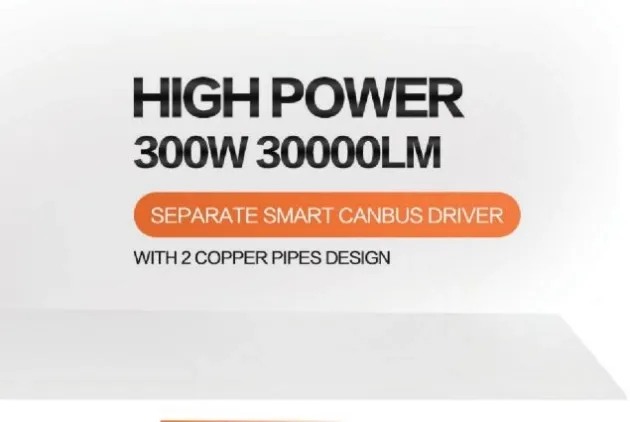
A distributor decides to launch a better LED headlight product.
The new series costs more.
The sales team becomes nervous.
They think:
Our customers only want cheap products.
Sometimes that is true.
But sometimes customers appear price-sensitive because the distributor has never given them a clear reason to choose anything else.
The solution is not replacing the low-price range.
It is creating product tiers.
Do Not Remove the Value Product
Launching premium does not mean:
Stop selling the lower-priced product.
Different customers have different budgets.
A healthy product range can contain:
Value
Affordable option.
Mainstream
Core product.
Premium
Higher-positioned option.
This lets the customer choose.
Premium Needs a Reason to Exist
A higher price without a clear difference will fail.
The premium product should have a meaningful position based on verified characteristics.
Potential differentiators may include:
- product structure
- cooling design
- driver configuration
- output position
- materials
- packaging
- product support
Use only characteristics that are actually confirmed.
Do Not Explain Premium With "Better Quality"
Every supplier says:
Better quality.
That does not help.
Be specific.
Instead of:
This is much better.
say:
This series uses a different thermal structure and is positioned above our mainstream model.
Clear differences make the price easier to understand.
Let Customers Compare
Give salespeople a simple comparison.
For example:
| Position | Value | Mainstream | Premium |
|---|---|---|---|
| Target customer | Price-sensitive | General aftermarket | Higher-positioned buyer |
| Product role | Entry | Core range | Upgrade |
| Price level | Lower | Medium | Higher |
Then fill product-specific characteristics only with verified information.
Use Samples
Premium products often need demonstration.
A customer may not understand the difference from a PDF.
Let important distributors or retailers inspect:
- construction
- packaging
- installation
- beam
- overall product feel
Physical comparison can make positioning easier.
Sell Premium to the Right Customer
Not every buyer should receive the premium pitch.
A customer whose only priority is:
lowest possible price
may remain a value-series buyer.
That is fine.
Focus premium products on customers who care about:
- differentiation
- retail margin
- product presentation
- features
- technical positioning
Customer segmentation matters.
Give Retailers Enough Margin
Premium products need commercial space.
If the retailer pays significantly more but cannot sell at a sufficiently different retail position, they have little incentive.
Understand the expected retail range.
The distributor and retailer both need a reason to promote the higher tier.
Packaging Can Support Positioning
Packaging should help customers distinguish the series.
A premium product might use:
- clearer technical information
- better model identification
- stronger product presentation
But packaging should not pretend a mediocre product is premium.
Product comes first.
Train the Sales Team
Salespeople often destroy premium positioning by saying:
This one is expensive but quality better.
Give them a better explanation.
They should know:
- who the product is for
- what is different
- why the price is different
- what not to promise
Good sales training protects margin.
Use a Good-Better-Best Structure
A simple structure can be:
GOOD
Value.
BETTER
Mainstream.
BEST
Premium.
This helps customers compare without making the lower products sound bad.
All three products can serve legitimate needs.
Avoid Cannibalization
If the premium and mainstream products are almost identical, customers will ask:
Why pay more?
Create enough differentiation.
If there is no meaningful difference, you may not need both.
SKU discipline matters.
Launch Premium With Selected Customers
Start with retailers who already sell:
- modification products
- better accessories
- premium automotive products
Get their feedback.
Do not immediately force premium inventory into every sales channel.
Measure the Result
Track:
- premium share of sales
- repeat purchases
- customer objections
- retailer feedback
- margin
- returns
Then decide whether to expand.
Premium positioning should be managed using evidence.
Premium Does Not Mean Expensive for No Reason
Customers accept higher prices when they understand the value.
They reject higher prices when the only explanation is:
New model.
Build a product story around real differences.
Discuss Product Tiering with Sunrise Auto Parts
Sunrise Auto Parts supplies multiple LED headlight bulb series for different automotive aftermarket positions.
Tell us your customer profile, price segments and required sockets, and we can discuss how different product series may fit into a structured wholesale range.
For a live example of premium positioning, review the HT7 PRO product page.
Explore the LED Headlight Bulbs range to discuss a focused selection for your market.