
Gross Margin vs Inventory Turnover: What Auto Parts Distributors Should Optimize
Learn why automotive parts distributors should balance gross margin and inventory turnover instead of choosing products only by margin percentage.
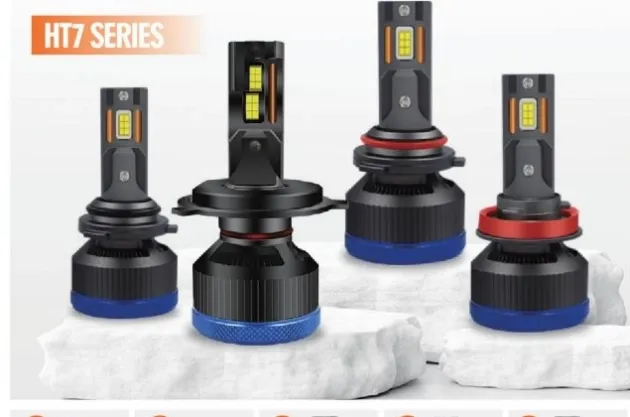
Simplified example only: the percentages and sales frequencies below are illustrative, not actual market pricing or guaranteed results.
Which product is better?
Product A makes 20% gross margin.
Product B makes 35%.
At first glance, Product B looks better.
But what if Product A sells every month and Product B sells twice per year?
This is why automotive distributors should never evaluate products by margin alone.
Profitability depends on both:
margin
and
how quickly inventory turns.
What Is Gross Margin?
Gross margin measures the difference between sales revenue and the direct cost of the product.
It helps answer:
How much gross profit do I make when I sell this item?
This is important.
But it says nothing about how long the item sits in your warehouse.
What Is Inventory Turnover?
Inventory turnover describes how quickly stock is sold and replaced.
Fast turnover means capital returns quickly.
Slow turnover means money remains tied up in inventory.
For distributors, cash trapped in slow stock cannot be easily used for:
- new products
- marketing
- operations
- faster-moving inventory
That creates an opportunity cost.
Why High Margin Can Be Misleading
Consider a simplified example.
Product A:
Lower margin.
Sells 100 units every month.
Product B:
Higher margin.
Sells 10 units every three months.
Even if Product B looks more profitable per unit, Product A may generate much more total gross profit.
This is why product selection should consider velocity.
Automotive Lighting Has Special Inventory Risk
Lighting distributors often manage many:
- sockets
- series
- sizes
- beam types
- colors
This creates SKU complexity.
A product can become dead stock quickly if:
- the application is rare
- a new series replaces it
- the customer trend changes
- the wrong socket mix was purchased
High SKU complexity makes turnover discipline essential.
Measure Months of Stock
One practical metric is:
Months of Inventory.
Ask:
If sales continue at the current rate, how many months will this stock last?
For example:
2 months
6 months
18 months.
This immediately reveals potential problems.
Different SKUs Need Different Targets
A fast-moving H7 may justify deeper inventory.
A specialized projector lens may reasonably move more slowly.
A rare work-light size may be stocked only in small quantities.
Do not use the same inventory target for every SKU.
Classify Products by Role
A useful structure is:
Traffic Products
High-volume products that attract frequent orders.
Margin Products
Products with stronger unit profitability.
Specialist Products
Lower volume but important to certain customer groups.
Experimental Products
New items being tested.
Each category should have different inventory expectations.
Cash Flow Matters
Profit on paper does not pay suppliers until customers actually buy the stock.
Growing companies often fail because they purchase too much inventory, not because they lack accounting profit.
Before expanding a product range, ask:
How much cash will this inventory consume?
When is that cash likely to return?
Reorder Based on Sell-Through
A supplier sales promotion is not a reorder signal.
Your reorder trigger should be based on:
- stock remaining
- sales rate
- lead time
- upcoming demand
This helps prevent emotional purchasing.
Slow Stock Can Distort Purchasing Decisions
A warehouse may look well stocked.
But if much of that stock is slow-moving, the company can still run out of cash.
Separate:
Inventory Value
from
Useful Inventory.
These are not always the same.
Margin Can Improve Through Better Purchasing
Before raising customer prices, improve:
- mixed-model orders
- carton efficiency
- supplier terms
- logistics
- SKU mix
Better purchasing can increase margin without making the product less competitive.
Remove Low-Value Complexity
Some products produce:
low sales
low margin
high support cost.
These are dangerous SKUs.
Ask whether they deserve to remain in the range.
Every SKU should justify the capital and management effort it consumes.
Track Gross Profit Per SKU
Do not only track revenue.
Record:
Revenue
Gross Profit
Units Sold
Average Inventory
Return Rate
This gives a much clearer product picture.
A high-revenue product may not always be the best contributor.
Turnover and Margin Should Work Together
The goal is not:
highest margin
or
fastest turnover.
The goal is the best combination for your business.
A strong product portfolio often contains both:
fast-moving core products
and
higher-margin specialist products.
Balance creates resilience.
Build Inventory Around Real Demand
Sunrise Auto Parts supplies multiple automotive LED lighting categories and socket options for wholesale buyers.
Tell us your current best-selling applications and purchasing priorities, and we can discuss a focused product mix instead of adding unnecessary SKUs.
Explore the LED Headlight Bulbs range to discuss a focused selection for your market.