
Sep 3, 2026
Pre-Shipment Inspection Checklist for Automotive LED Lighting Orders
A practical pre-shipment inspection checklist for automotive LED headlight bulbs, projector lenses, work lights and private-label orders.
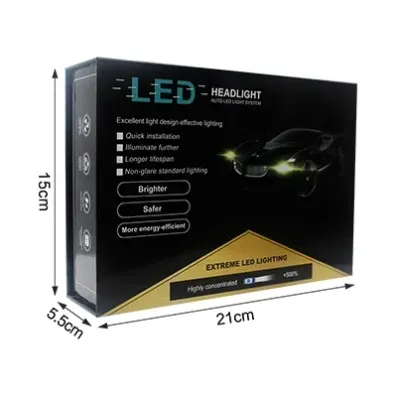
The most expensive time to discover a production mistake is after the shipment has arrived in your country.
By then, the importer may already have paid for:
- production
- freight
- customs clearance
- warehouse handling
and possibly customer orders.
A pre-shipment inspection gives buyers one final opportunity to identify problems while the goods are still close to the supplier.
It does not need to be complicated.
It needs to focus on the things that could actually hurt your business.
Start With the Purchase Order
Before looking at the physical products, review what was actually ordered.
Confirm:
- product model
- socket
- quantities
- product version
- packaging
- logo requirements
- accessories
- carton markings
The inspection should compare production against an agreed reference.
Without that reference, the inspector is only looking at products, not verifying an order.
Check the Model Mix
Mixed-model automotive lighting orders are especially vulnerable to quantity mistakes.
For example, an order may include:
- H4
- H7
- H11
- 9005
- 9006
The total quantity can be correct while the model allocation is wrong.
Check quantities by SKU, not only by total carton count.
This matters because one missing high-demand socket can create stockouts even if the overall shipment quantity is correct.
Verify Product Identity
Check representative units from different cartons.
Confirm:
- model name
- socket type
- product appearance
- connectors
- driver configuration
- accessories
Do not assume the change is harmless.
Check Critical Specifications
You do not need to re-engineer the product during every inspection.
Focus on the key specification points that were approved during sourcing.
Depending on the product, these may include:
- voltage
- LED chip identification where applicable
- color temperature
- driver structure
- cooling design
- product dimensions
The exact checklist should come from your approved Product Master Sheet.
Perform Functional Testing
Representative products should be powered on.
Check for obvious issues such as:
- failure to illuminate
- unstable operation
- abnormal flicker
- high/low-beam switching where applicable
- fan operation where applicable
- abnormal noise
For multi-function products, test the relevant functions.
Do not inspect only appearance.
Inspect Physical Assembly
Look for visible production problems.
Possible issues include:
- loose components
- damaged cables
- poor connectors
- scratches
- bent parts
- inconsistent assembly
- missing screws
- damaged mounting hardware
These problems may appear minor in the factory but become customer complaints later.
Check Packaging Carefully
Packaging mistakes are extremely common in private-label business.
Inspect:
- correct box
- correct socket label
- logo
- barcode
- model name
- quantity per box
- accessories
- manual where applicable
A correctly manufactured H7 bulb packed inside an H11 box is still a serious problem.
Check Retail Box Condition
Retail packaging is part of the product.
Look for:
- crushed boxes
- printing problems
- incorrect colors
- damaged labels
- poor internal protection
If products will be sold through retailers or e-commerce, packaging condition directly affects customer perception.
Verify Shipping Cartons
Outer cartons should also be checked.
Confirm:
- carton quantity
- carton dimensions where required
- carton marks
- destination information
- model identification
Clear carton markings also make warehouse receiving easier.
Compare With the Approved Sample
Where possible, keep an approved production sample.
Use it during inspection to compare:
- product appearance
- dimensions
- connectors
- packaging
- accessories
This is much more reliable than trying to remember how the original sample looked.
Take Photos Before Shipment
Create a simple photo record.
Useful photos include:
- finished products
- each model
- retail packaging
- carton labels
- packed cartons
- pallet or loading condition where relevant
The goal is not social-media content.
The goal is traceability.
What If a Problem Is Found?
Do not immediately reject the entire shipment.
First classify the problem.
Critical
Wrong product or serious functional issue.
Major
Problem likely to affect sales, installation or customer satisfaction.
Minor
Cosmetic or low-impact issue.
Then decide whether the supplier should:
- rework
- replace
- repack
- reinspect
before shipment.
Inspection Should Match the Risk
A large private-label launch may deserve much more detailed inspection.
Increase inspection depth when:
- order value is high
- product is new
- supplier is new
- packaging is customized
- previous problems occurred
Risk should determine effort.
Do Not Use Inspection to Replace Supplier Management
Inspection is a safety net.
It should not be the only quality-control system.
The stronger process is:
approved sample
+
clear specification
+
production confirmation
+
pre-shipment inspection
+
customer feedback
This creates control throughout the purchasing cycle.
Discuss Your Order Requirements with Sunrise Auto Parts
Sunrise Auto Parts supplies automotive LED lighting products for wholesalers, distributors and private-label buyers.
Before placing a bulk order, confirm your product models, specifications, packaging and quantity requirements so the production and shipment details are clear from the beginning.