
Sep 10, 2026
3000K vs 4300K vs 6500K LED Headlights: Which Color Temperature Should You Stock?
Compare 3000K, 4300K and 6500K LED headlight color temperatures and learn how distributors can choose the right product mix for their market.
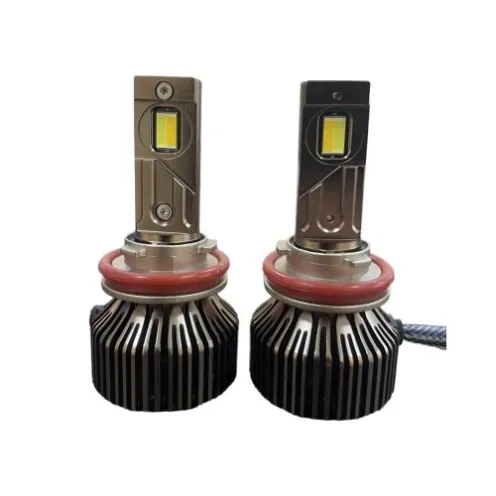
Color temperature is one of the easiest LED headlight specifications for customers to notice.
A 3000K light looks very different from a 6500K light.
That makes color temperature both:
a technical specification
and
a product-positioning decision.
For distributors, the question is not simply:
Which color is best?
It is:
Which color temperatures do customers in my market actually want?
What Does Kelvin Mean?
Automotive lighting color temperature is commonly expressed in Kelvin, or K.
In broad visual terms:
3000K
Warmer, more yellow appearance.
4300K
More neutral warm-white appearance.
6500K
Cooler white appearance.
These numbers describe color appearance.
They should not automatically be interpreted as a direct measurement of brightness.
3000K: Warm / Yellow Appearance
3000K tends to produce a visibly warmer and more yellow-toned light.
Some aftermarket buyers choose warmer colors because of:
- visual preference
- particular auxiliary applications
- desire for product differentiation
Demand can vary significantly by market.
4300K: Neutral Position
4300K sits between warm yellow and cool white.
It can appeal to buyers who prefer a more neutral appearance.
Some customers associate this general color range with more traditional OE-style white lighting appearance.
However, the exact visual result depends on the product and optical system.
6500K: Cool White Aftermarket Appearance
6500K is common in many aftermarket LED headlight products.
Customers may prefer it because of its modern cool-white appearance.
For many LED headlight distributors, 6500K can form part of the mainstream product range.
Again, actual demand should be confirmed locally.
Color Temperature Does Not Equal Brightness
This is important.
Do not tell customers:
6500K is brighter because the Kelvin number is higher.
Kelvin describes color temperature.
Lumen output and optical performance are separate issues.
A higher color-temperature number does not automatically mean more usable road illumination.
Color Temperature Does Not Replace Beam Quality
Customers may focus heavily on whether the bulb is:
yellow
white
or cool white.
But the distributor should still evaluate:
- beam pattern
- glare
- optical positioning
- installation
- actual product consistency
A beautiful color with a poor beam is still a poor headlight result.
Which Color Temperature Is Best in Rain or Fog?
This topic is often oversimplified.
Customers frequently hear statements such as:
Yellow is always best in rain.
or:
White is always brighter.
Real visibility depends on many factors, including:
- beam pattern
- optical distribution
- weather
- road surface
- driver perception
- headlamp system
Avoid universal safety claims based only on Kelvin value.
Why Three-Color Products Exist
Some aftermarket LED headlight products offer several color-temperature modes.
For example:
3000K
4300K
6500K
within one product concept.
This creates a feature-oriented product for customers who want more flexibility.
How Should Distributors Choose Inventory?
Look at:
- customer requests
- local retail trends
- competitor products
- vehicle accessory culture
- past sales
If 6500K dominates your market, deeper stock may make sense.
If customers frequently request yellow lighting, a 3000K or three-color product may deserve testing.
Do Not Overstock Feature Products Immediately
A three-color or less common color-temperature product can look exciting in a catalog.
But feature appeal does not guarantee fast turnover.
Use:
- samples
- small trial quantities
- retailer feedback
before building large inventory.
Packaging Must Clearly State the Color
Color-temperature mistakes create unnecessary returns.
Packaging should clearly identify:
- 3000K
- 4300K
- 6500K
- multi-color function where applicable
Warehouse staff should also be able to distinguish versions easily.
Keep Product Data Consistent
If the quotation says:
6500K
while the website says:
6000K,
the buyer may question the entire product.
Color temperature should be included in the Product Master Sheet and updated consistently across customer materials.
Let Market Demand Decide
The correct stock strategy is rarely:
Choose the theoretically best Kelvin.
The correct strategy is:
Understand what your customers buy.
Then stock accordingly.
Related Market Guides
Compare LED Headlight Color Options with Sunrise Auto Parts
Sunrise Auto Parts supplies LED headlight bulb series with different product configurations for automotive aftermarket distributors.
Tell us your target market and preferred color-temperature options so we can discuss suitable products for sample evaluation.